

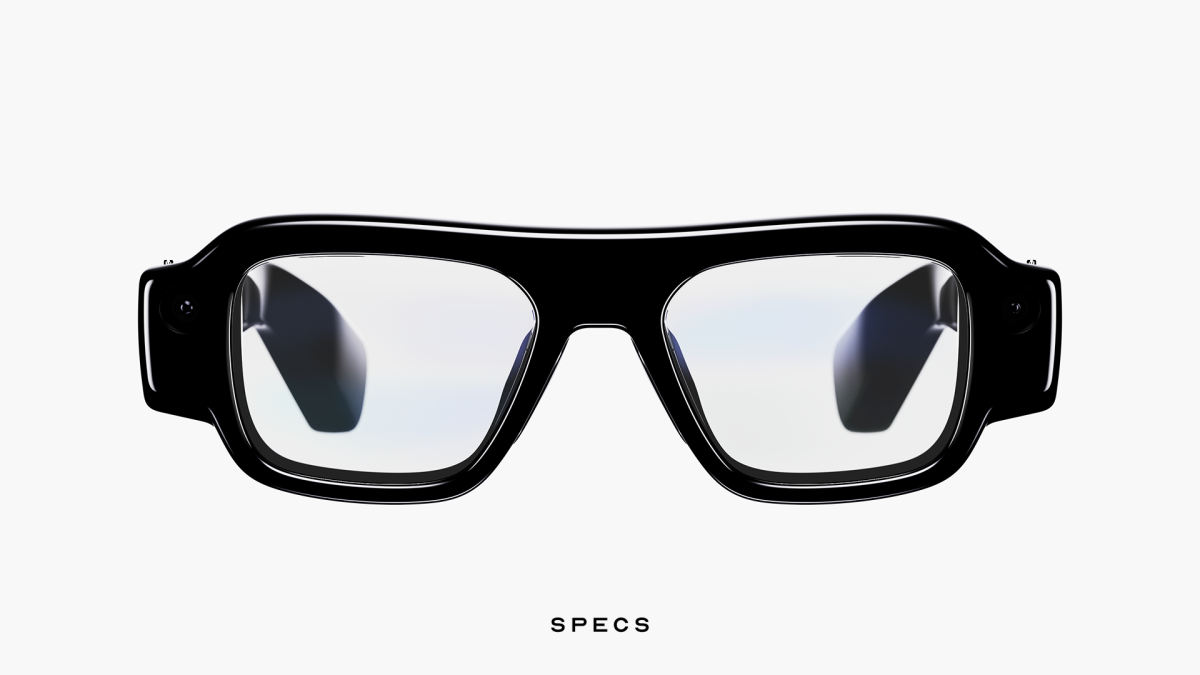
Snap Specs are now lighter and more comfortable than the prototype shown earlier this year, but early hands-on impressions suggest the $2,200 price and unclear purpose remain major hurdles. Snap Inc. is selling the augmented reality glasses after a public debut and the opening of pre-orders.
How snap specs changed since the CES prototype
Snap first showed a prototype of its glasses at CES in Las Vegas earlier this year. At that stage, the company described the device as a “new kind of computer.” The prototype weighed around 8 ounces, fit unevenly on the face and became hot during use. Testers also reported a tingling sensation on the face, a side effect that is common in smart glasses because a lot of processing takes place inside the frame.
By late October, Snap had refined the hardware. Snap invited reviewers to a meeting at a Four Seasons hotel in downtown San Francisco, where the team demonstrated the updated design. The company had already revealed the product publicly during an event with CEO Evan Spiegel, and pre-orders for the long-delayed headset were open.
Weight, sizing and hinges in the latest model
The biggest change is weight. The current model weighs 132 grams, or about 4.6 ounces, which is nearly half the weight of the prototype. Early testers said the glasses were quite comfortable during a demonstration lasting about an hour, and the frame did not heat up the way the earlier version did.
Snap Specs now come in two sizes, 47mm and 52mm, so the frame can fit different head sizes more snugly. The glasses also use spring hinges, which add flexibility and make the frame easier to wear for longer periods.
- Weight: 132 grams (about 4.6 ounces), down from roughly 8 ounces on the CES prototype
- Sizes: 47mm and 52mm
- Hinges: spring hinges for added flexibility
- Price: $2,200
Entertainment and reading are the strongest use cases
Early impressions point to media consumption as the clearest fit. Snap Specs integrate with HBO Max and YouTube, which makes them a practical option for watching video while commuting on a train or bus. Compared with watching a clip on a phone, the glasses offer a larger, more immersive view, which suits long waits in transit.
Reading also stood out. Testers said text felt like it held their attention, and one tester said the format helped them focus. A newspaper or Kindle integration would make the glasses more useful on planes, trains or in the back of a car. Snap Specs can also capture photos and video, similar to Meta’s smart glasses. The ability to record short clips and send them to friends is an odd but fun feature that casual users may use regularly.
Work and gaming use cases face doubts
Snap is marketing the glasses as a work tool, saying the headset can “transform almost any location into an immersive, flexible workspace.” Early testers were skeptical. Typing on a laptop is more convenient than wearing a headset, and a phone and laptop already handle most office tasks. Gesturing in the air to operate the interface could also draw social attention in public settings.
Gaming is another open question. At about $2,200, the device costs more than twice the price of most Xbox consoles. The games are fun in short sessions, according to early impressions, but the high price raises doubts about how large an audience the headset can reach.
Spatial sharing points to future potential
Snap Specs include a spatial syncing feature that lets two users see the same content at once. Impressions described this as one of the more promising technical achievements in the product, with room to support more useful applications after further development. Snap has framed the device as one that will change as the company releases updates.
For now, the current feature set may not be enough to justify the cost. Early testers described the device as fun but without a clear daily purpose, and the company has not yet made a strong case for who should pay $2,200 for the glasses.