

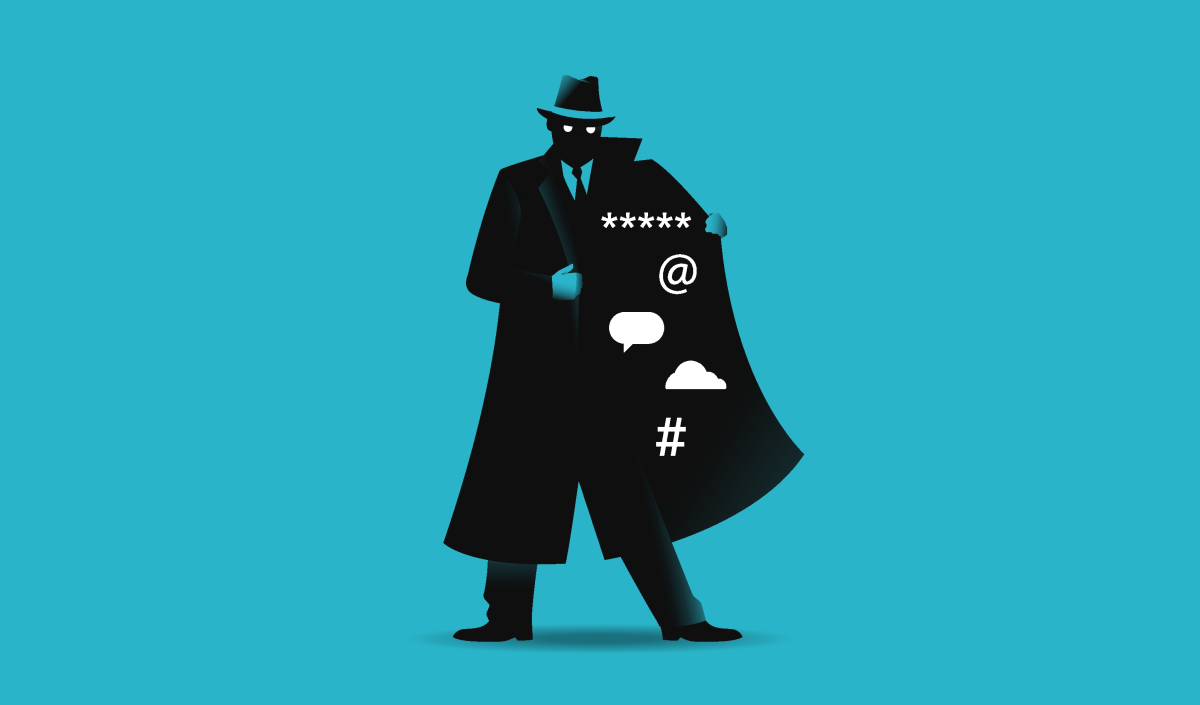
A honey trap is a manipulation scheme in which an attacker builds a personal relationship with a target to gain access to confidential information. Security experts say the tactic is now a risk for nearly everyone in the AI industry, not just the executives at the center of recent headlines.
The concern comes as Nvidia deals with the fallout from allegations involving its CEO, Jensen Huang. Huang has been accused of falling for a honey trap through an affair with Alice Huang, a former executive of a Singapore neocloud. She has been accused of being a Chinese spy and of smuggling billions of dollars’ worth of restricted Nvidia chips into China. Both sets of allegations remain unproven.
Why the threat is spreading beyond Nvidia
Aaron Brown, a former senior CIA officer who now runs the software company Lumbra, said that founders rarely receive training on counterintelligence. Historically, honey trap operations were aimed at politicians, the military and national intelligence workers, who are briefed and trained to expect such approaches.
Brown said many of the most valuable secrets now sit inside companies building chips, AI models and infrastructure. A spy, he said, wants what a chief executive can reach, including the product roadmap, export decisions, customer lists and decisions about who gets the technology. The Wall Street Journal reported that OpenAI began warning employees about outsiders trying to build relationships with them in search of company secrets. Brown and other experts say the risk extends well beyond chief executives, to board members and executive assistants alike.
How a honey trap gains access
Contrary to popular belief, attackers are usually not looking for romance. Brown said friendship is the oldest honey trap method, and that the approach often begins with a relationship that seems ordinary. Attackers typically pose as investors, customers, recruiters or consultants.
Their requests can look legitimate on paper, so targets do not need to fall in love to be drawn in. “They need you to feel comfortable talking,” Brown said. “They last longer because nobody’s looking.”
Carpenter, a criminologist and chief deception strategist at KnowBe4, said that a person who preys on the human need to be understood can be more effective than any technical attack. “Why fight through a firewall when you can get close to the person who can open doors, influence decisions, or make requests nobody wants to question?” he said. Once a target realizes they have been compromised, the threat can escalate, because the attacker can then use the situation for blackmail.
AI makes each honey trap cheaper to run
Artificial intelligence has also lowered the cost of these schemes. Planning a honey trap once took months or years of research, persona building, and careful study of the target. Today, attackers can use AI tools to research a target, generate fake social profiles and backgrounds, and even produce fake voice calls.
“AI can help sustain an entire fictional backstory,” Carpenter said. “The technology helps set the stage, but the deception ultimately plays out through human relationships.” Brown said the AI industry “became a national security industry faster than its culture caught up.”
Brown also warned that targets often do not know they are being manipulated. “Part of being honey-trapped is not knowing,” he said. “It doesn’t feel like manipulation. It feels genuine, even lucky.”
Warning signs and red flags to watch for
Carpenter recommended looking for unusual patterns, such as “coincidental encounters that happen a little too often.” Other signs include persistent curiosity about work and colleagues, requests for secrecy about meetings, and repeated pressure for introductions or information.
- Requests that grow steadily larger or push past what a person would normally agree to
- Unusual interest in colleagues, projects or internal decisions
- Pressure to keep meetings secret
- Emotional appeals that cloud a business decision
Brown offered a simple test for any relationship that raises doubts. “Would this person still be around if you lost your job tomorrow?” he asked. Carpenter added that people should also pause to consider when emotions may be shaping a decision, and set a clear boundary between personal and professional life.
Company culture as a defense
Brown said company culture is also a key factor. Employees need to feel comfortable raising concerns, challenging unusual requests and escalating possible threats. Carpenter said a honey trap is easier to stop in organizations that “eliminate executive exceptionalism,” meaning the rules apply to people in power as much as anyone else. “One of the most dangerous security cultures is one where nobody feels comfortable questioning the CEO,” he said.
Brown said leaders should not stop taking risks in the process. “Founders need to take risks, and they need to explore business opportunities,” he said. “Paranoia doesn’t help. Recognizing you’re a target does.”