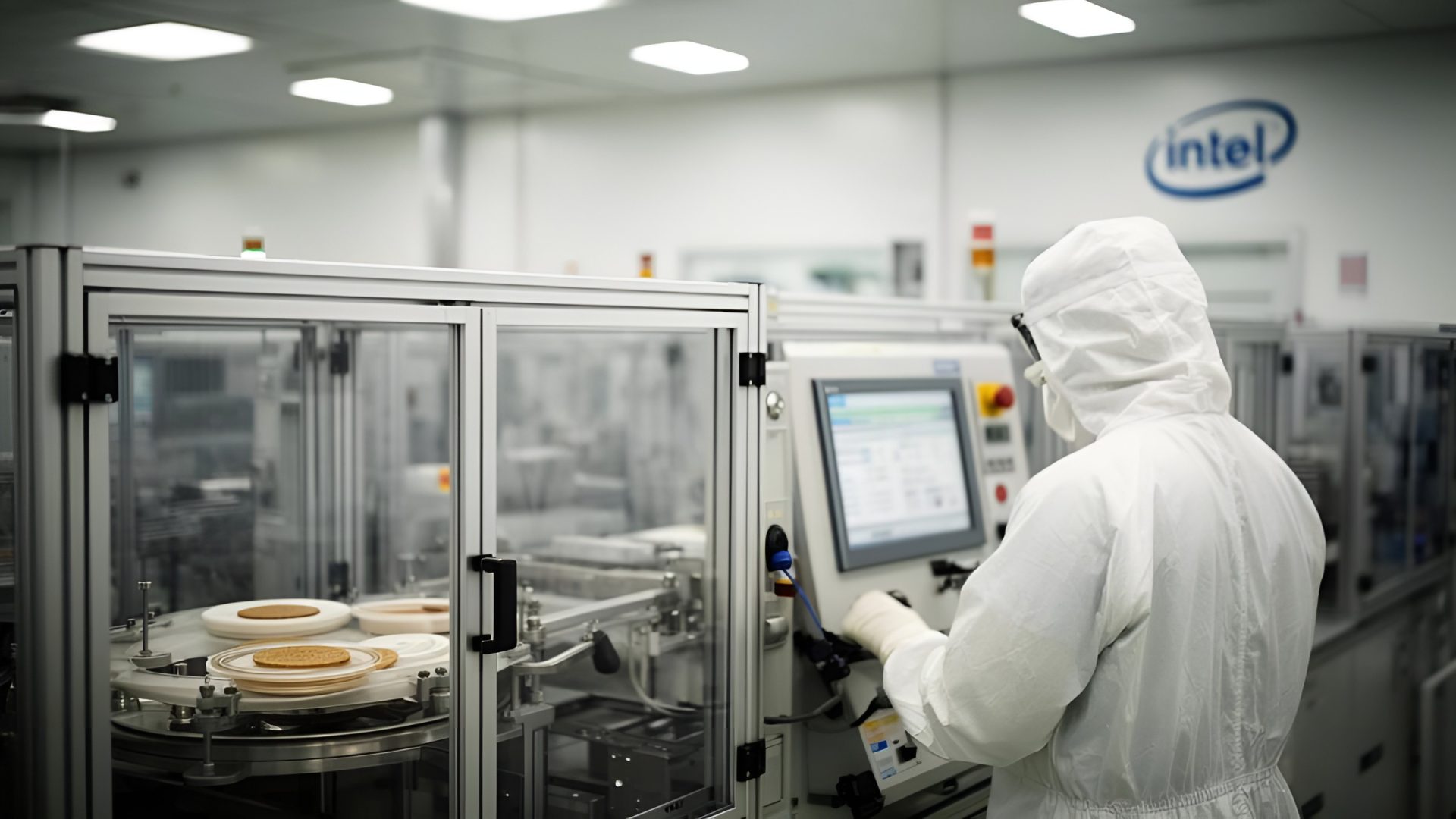
Ainos, a company that describes itself as a SmellTech platform provider, says its AI Nose system is now being rolled out across semiconductor factories, and a new $9 million order from chip packaging giant ASE is the company’s largest commercial deal so far. The platform gives industrial machines a digital sense of smell, which the company says can flag chemical leaks and equipment problems earlier than conventional gas detectors.
How AI Nose differs from traditional gas detectors
Industrial gas detectors are relatively simple devices. They wait for a specific gas to reach a predefined danger level before an alarm sounds. Ainos says AI Nose takes a different approach by using high-sensitivity olfactory sensors, which are chemical sensors designed to pick up airborne compounds. The company says these sensors can operate at parts-per-billion (ppb) sensitivity under appropriate conditions.
The sensor data is paired with trainable AI models. The system converts complex airborne chemical signatures into digital data that Ainos calls Smell ID. Because the models look at patterns rather than single gas spikes, the company says AI Nose can recognize subtle environmental changes that a fixed threshold might miss.
Ainos also says its models learn from a growing library of more than 3 billion real-world chemical data points gathered across networked deployments. Customers keep control of their data, the company said, so proprietary manufacturing recipes stay protected.
Questions raised by the Intel Fab 28 incident
The company was asked about the deadly gas-leak explosion at Intel’s Fab 28 in Israel last month, which authorities linked to a gas leak. Intel’s losses from the incident are reported to be upwards of $600 million, and the accident has already affected the company’s financials. Ainos did not claim its technology could have prevented the tragedy.
Ainos said it cannot determine how AI Nose would have performed in that specific incident. The company described its goal as giving industrial facilities a trainable, continuously improving layer of what it calls Chemical Intelligence. That layer is meant to support earlier awareness of hazards and more proactive safety management.
The company listed its current use cases at semiconductor factories. These include identifying chemical leaks, detecting signatures associated with overheating electrical cables, and recognizing early signs of equipment or environmental abnormalities.
ASE order expands AI Nose deployments
Ainos said the new agreement with ASE, a global leader in semiconductor assembly, testing and advanced packaging, covers 5,000 additional AI Nose systems worth $9 million. It follows an initial $2.1 million agreement for 1,400 systems, which Ainos says it has already delivered. Together the two agreements total $11.1 million and 6,400 systems.
The expanded collaboration focuses on three areas. Ainos listed yield and quality, operational efficiency, and worker and facility safety. For yield and quality, the system monitors chemical conditions to help identify contamination. For efficiency, it looks for environmental abnormalities that could lead to defects, rework or production disruptions. For safety, it aims to give greater visibility into chemical leaks and hazardous conditions.
Ainos also said another customer in front-end chip manufacturing is deploying AI Nose across its advanced fabs. The company said actual savings will need to be measured through continued deployment and validation, and it did not put a dollar figure on the losses that the system might prevent.
Robots, hospitals and smartphones
Ainos said it has partnered with Taiwan-based Mirle Automation to bring smell sensing to mobile and quadruped robots. In the company’s example, a robot patrolling a semiconductor factory could use cameras to see equipment, microphones to hear unusual sounds, and AI Nose to detect chemical signatures linked to leaks or overheating. Ainos said whether such a robot could spot hazards before humans still needs validation in its intended environments.
Healthcare was actually the original focus for the technology, according to the company. Ainos said it is working with two medical centers in Taiwan on environmental monitoring in emergency departments and high-risk areas such as MRI facilities. The work is tied to the broader “safe hospital” concept, which extends safety monitoring beyond fire hazards to chemical and infection-related risks. Medical diagnostic uses would require clinical validation and regulatory approval.
On consumer devices, Ainos said it designed a smell-sensing solution for smartphones a few years ago and received interest in bringing that capability to phones. The company said miniaturization, reliable performance and affordable integration would all be needed first. It declined to put a firm timeline on a smell-enabled smartphone. In the company’s words, “AI has learned to see, hear, and understand language. We’re working to give it another fundamental sense: smell.”