

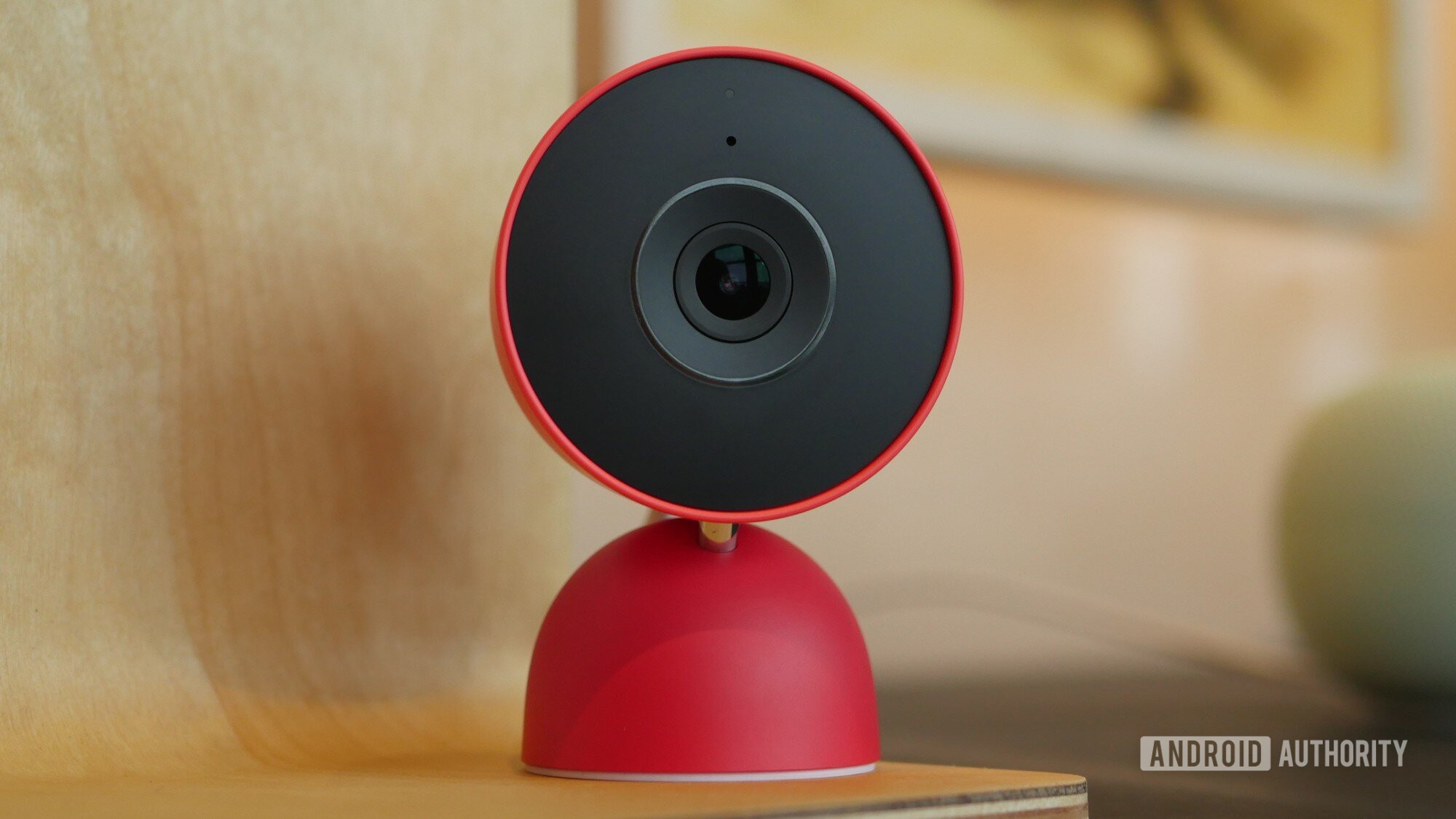
Google Home cameras are receiving a significant update that enhances their ability to monitor surroundings by integrating audio detection into their event notification system. This change marks a shift in how these devices process environmental data, moving beyond visual analysis to include sound recognition. By incorporating audio cues into event descriptions, the system aims to provide users with more context about what is happening in their residence. This update is currently rolling out to compatible devices, aiming to reduce the ambiguity often associated with motion-based notifications.
New audio-aware alerts for enhanced detection
The most significant change involves the integration of audio-aware alerts into the standard event notification pipeline. Previously, these cameras relied primarily on visual changes within their field of view to trigger alerts. Now, the devices can listen for specific sounds, such as barking dogs, breaking glass, footsteps, and sirens. When a motion-triggered event occurs, the system analyzes the audio environment and includes these details in the event description sent to the user.
This feature requires a Google Home Premium Advanced subscription and a compatible camera with audio recording enabled. It is important to note that audio is incorporated into the descriptions of triggered events rather than functioning as a standalone alert trigger. By adding this layer of information, the system helps users quickly distinguish between benign movement, such as a passing car, and events that might require immediate attention, like the sound of glass breaking. This functionality is available in select countries, and users must ensure their microphone settings are active to utilize these capabilities.
Searchable history with Ask Home
The integration of audio data extends into the Ask Home feature, which allows users to search through their camera history using natural-language queries. Instead of manually scrubbing through hours of footage to find a specific moment, users can ask the system questions about what occurred. For example, a user could ask when glass broke in their hallway, and the system will use the audio-based metadata to identify and display the relevant recording. This method of searching camera history significantly reduces the time required to find specific incidents. By leveraging the new audio tags, the system transforms how users interact with their stored video data, making the retrieval process much more efficient.
Improved Activity Zones and interface updates
Google Home users have long utilized Activity Zones to filter out noise from areas like busy streets or swaying trees. The company has now improved boundary precision on its newest wired cameras, which helps reduce false notifications caused by movement just outside a selected zone. This enhancement is designed to make the system more reliable in environments with high levels of activity. To support these changes, the camera settings page has been redesigned, making it easier for users to locate and adjust their Activity Zones. These refinements ensure that the system remains focused on the areas that matter most to the user, minimizing unnecessary alerts.
Web interface and thermostat enhancements
For those who prefer managing their security footage on a larger screen, the Google Home for web interface has received a quality-of-life improvement. The platform now supports keyboard shortcuts for moving through recorded footage. While watching a recording at home.google.com, users can press the Left or Right arrow keys to jump backward or forward in five-second increments. Repeated presses allow users to skip 30 seconds or more, with a visual overlay showing their position in the recording. This addition makes reviewing history on a computer less cumbersome.
Beyond the camera-specific enhancements, the Google Home platform is also extending its reach into climate control. The company has revealed several upgrades for Nest Thermostats, including new Dynamic Farsight options and estimated energy-savings information. Additionally, the platform now offers expanded support for third-party Matter temperature sensors. These updates reflect a broader effort to unify and improve the functionality of smart home devices within the ecosystem, ensuring that cameras, thermostats, and other sensors work together more effectively.