

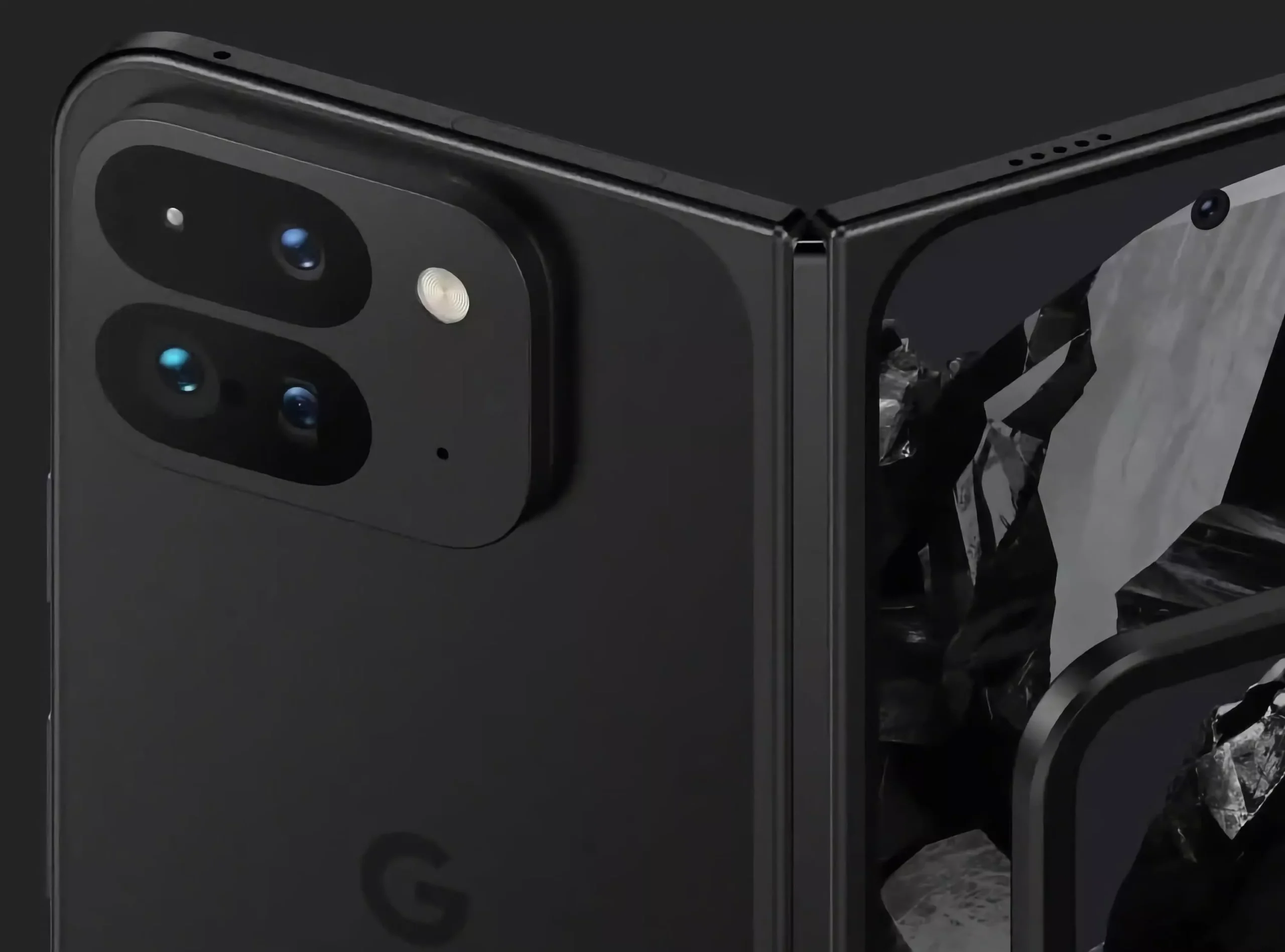
Google is shifting its strategy to ensure that Android developers deliver a consistent, high-quality experience for users of foldable devices. The company recently announced a set of new adaptive quality standards that will effectively mandate better support for these unique form factors. While foldable hardware has existed for years, the software experience has often lagged behind, leading to inconsistent app behavior. Google aims to rectify this by requiring that applications meet specific baseline criteria to maintain their visibility and status within the Google Play Store.
New adaptive quality standards for Android developers
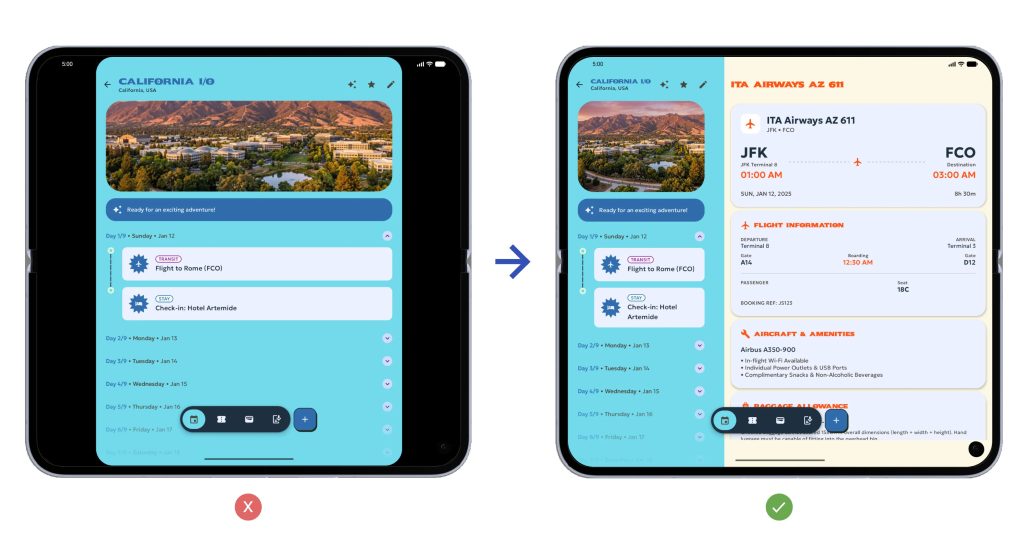
The core of this initiative involves a tiered system that categorizes how well an application adapts to different screen sizes and orientations. Android developers are now required to meet the “Tier 3” baseline, which Google defines as an “adaptive ready” experience. Meeting this threshold means that an application must fully utilize the available display area on a foldable device. Apps that fail to do this, or that rely on letterboxing, the practice of placing black bars around an app to force it into a standard aspect ratio, will no longer meet the minimum quality bar.
Beyond simple screen filling, the Tier 3 requirements demand that applications maintain their state during transitions. This includes preserving text input, media playback progress, and UI configurations when a user folds or unfolds their device, or rotates the screen. Furthermore, applications must support multi-window environments, allowing users to run them alongside other apps without breaking the layout. These requirements ensure that the software feels native to the hardware, rather than like a stretched phone app.
Timeline for compliance and enforcement
Google has provided a clear schedule for when these changes will take effect. While the guidelines are available for review now, the mandatory enforcement for all new app releases begins in April 2027. By this date, any new application submitted to the Google Play Store must adhere to the Tier 3 baseline. Android developers are encouraged to use the intervening months to update their existing codebases to meet these standards.
Gaming applications face a slightly different timeline, with the company announcing that it will begin enforcing these requirements for games starting in August 2027. This extension acknowledges the unique complexities involved in optimizing game engines and UI overlays for varying aspect ratios. In addition to the functional requirements, developers will be required to provide at least three screenshots that demonstrate how their application appears on a foldable device, distinct from the standard phone screenshots already required in the Google Play Console.
Impact on app visibility and store promotion
Compliance with these standards is not just a technical requirement but a business necessity for Android developers. Google has stated that apps failing to meet the Tier 3 baseline risk being demoted within the store’s promotion and discovery algorithms. This means that non-compliant apps could see reduced visibility, making it harder for users to find them. Conversely, apps that reach the higher “Tier 2” (adaptive optimized) or “Tier 1” (adaptive differentiated) levels will gain access to enhanced merchandising options.
Older applications that remain unupdated will not be removed from the store entirely, but they will likely face significant disadvantages in discovery. Google is essentially creating a system where the quality of the foldable experience directly correlates with the success of an app within the ecosystem. The company argues that because customers pay a premium for foldable hardware, they expect a software experience that matches that investment. Android developers who prioritize these updates will likely benefit from better placement and a more satisfied user base.
Broader strategy for large-screen Android devices
The focus on foldable support is part of a larger, ongoing effort by Google to improve the experience across all large-screen devices. The company is already working on future plans to refine app adaptability for tablets, Chromebooks, and other devices with non-traditional screen sizes. By establishing these baseline requirements now, the company is attempting to create a unified standard that developers can target, rather than having to build custom solutions for every individual device manufacturer.
Technical documentation is available for Android developers who need to understand the specifics of these design requirements. The company is also requiring that updated apps target Android 17’s API level 37 to ensure they are using the latest platform features and security standards. This move signals a long-term commitment to making the Android ecosystem more versatile. While the current focus is on foldables, the goal is to ensure that any application can run effectively on any screen size, whether it is a small phone, a tablet, or a large desktop-class display.