

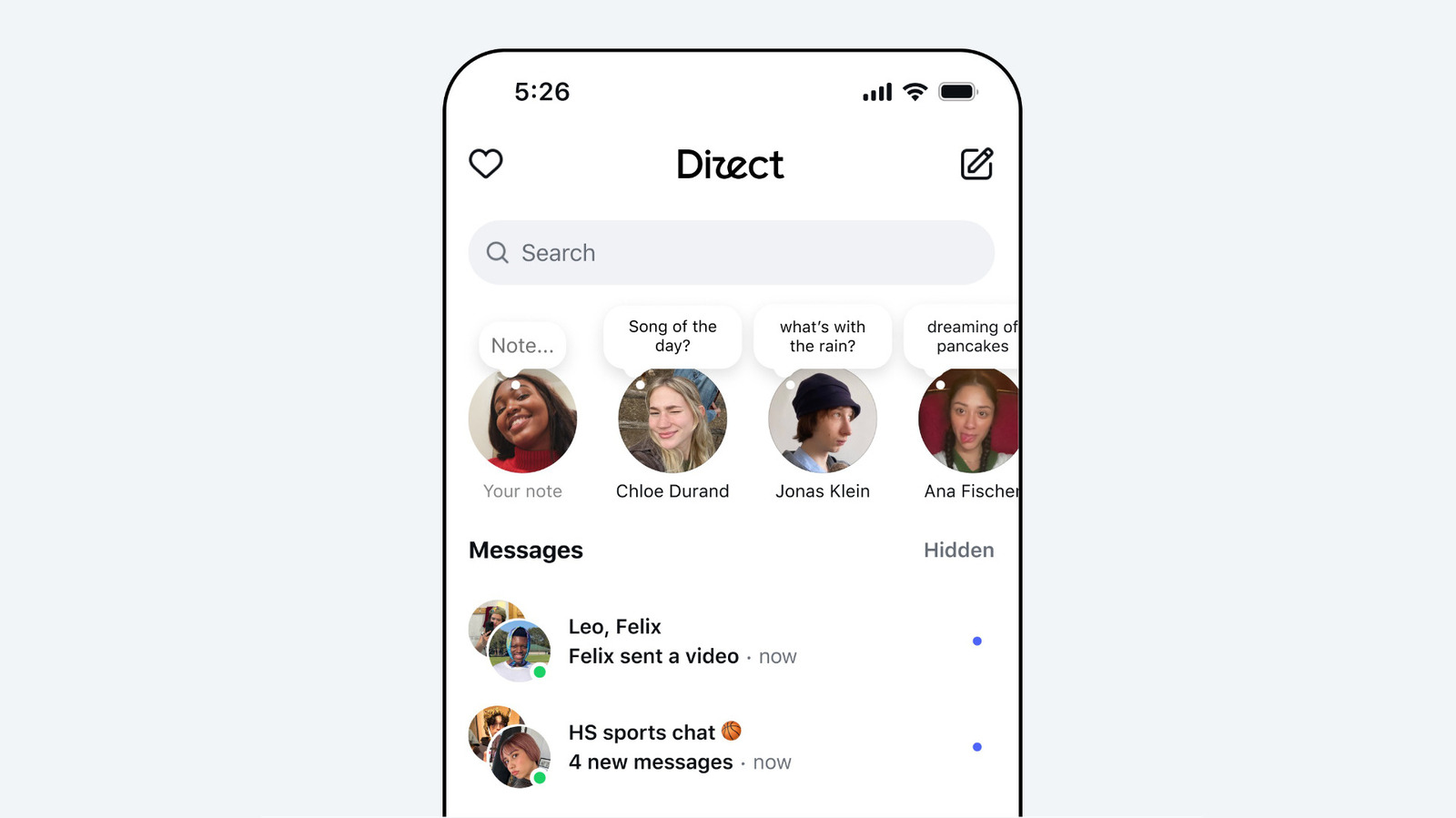
Meta has begun testing a new standalone mobile application called Direct, which effectively separates the messaging inbox from the main Instagram platform. This move marks a significant shift in how the company manages its social communication tools, as it seeks to expand the reach of Instagram’s internal messaging infrastructure. For now, the test is strictly limited to users located in Turkey and Thailand, according to Meta.
Functionality of the Direct messaging app
The interface of the new Direct messaging app appears strikingly similar to the current inbox found within the main Instagram application. Users who log in with their existing Instagram credentials will find their chat history carried over seamlessly. The standalone experience includes familiar personalization tools that have become standard on the main platform, such as the ability to set custom backgrounds for individual conversation threads. Additionally, the app incorporates Instagram’s status update feature, known as Notes, allowing users to share short, temporary text updates directly within the messaging environment.
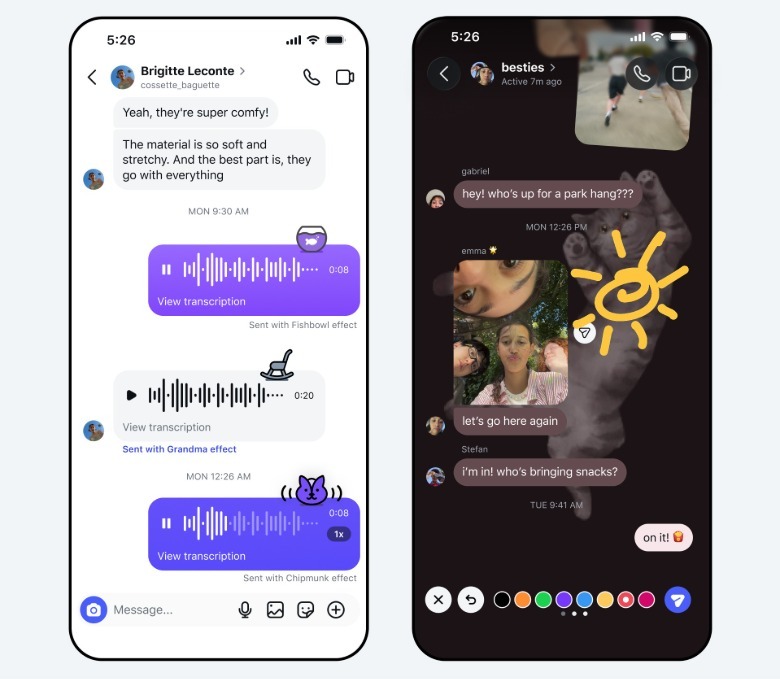
While the app is designed to support Instagram accounts, it does not strictly require one. Meta is allowing individuals to sign up for Direct using only an email address or a phone number. This change is intended to make the direct messaging service more accessible to people who may not want a full social media profile on Instagram but still wish to communicate with friends who are active on the platform. However, this simplified login process comes with some limitations. Users who opt to sign up without linking an Instagram account must manually add their contacts, either by searching for an Instagram username or by scanning a QR code to initiate a conversation.
Safety and parental control integration
Meta has stated that it is integrating several safety features into the Direct messaging app to protect users. A primary safeguard involves restricting the ability to initiate new conversations; the app will not allow users to start chats with accounts they are not already connected with through their contacts. This restriction is designed to prevent unsolicited messages from strangers.
Parental controls are also a core component of the rollout. Parents will have the ability to monitor which accounts their teenagers are interacting with and track the amount of time spent within the app. Meta also claims it will utilize technology to detect and act on potentially inappropriate interactions involving young people, though the company has provided few specific details regarding the mechanics of these automated safety measures.
Strategic context and market implications
The decision to test a standalone direct messaging app is a notable development for Meta, given the company’s previous reluctance to fragment its services. Instagram head Adam Mosseri has previously expressed hesitation about creating separate apps for features that already exist within the main platform. He has specifically noted in the past that giving services like Threads their own inbox could feel redundant and potentially cause notification routing issues, which he described as a less than ideal user experience.
Despite these past concerns, the company appears to be exploring whether a dedicated app can drive higher engagement. A key question surrounding this test is whether the Direct messaging app will compete directly with WhatsApp, which is also owned by Meta and is the dominant messaging platform in many regions, including Turkey. While it seems unlikely that an Instagram-centric app would fully replace WhatsApp for most users, the introduction of a standalone messaging option could potentially pull engagement away from other platforms if users find the new app convenient enough for their daily communication needs.
For now, Meta is treating the release as a limited test. The company has not provided a timeline for a global rollout, noting that the availability of the app is currently restricted to Turkey and Thailand. The future of the project likely depends on how users in these test markets respond to the standalone interface and whether it succeeds in attracting people who do not already use the main Instagram app. If the test proves successful, it is probable that the company will consider expanding the availability of the app to more regions in the future.