

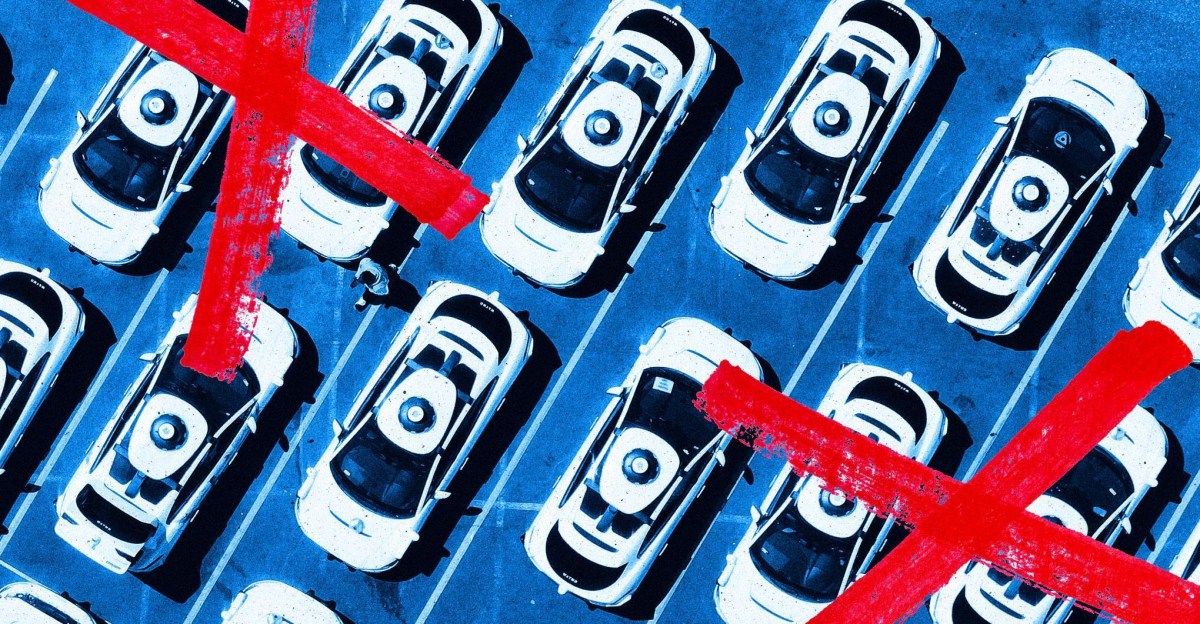
Waymo plans to end its exclusive robotaxi partnership with Uber, a split that could reshape how autonomous vehicles reach customers. Waymo co-CEO Tekedra Mawakana said in an interview that the company will stop sharing its robotaxis exclusively through Uber, and that riders in Austin and Atlanta will be able to use the Waymo app to book driverless rides directly starting in January 2028.
A partnership that looked stable in August
In a late August earnings call, Uber CEO Dara Khosrowshahi described the company’s partnership with Waymo as “very strong.” The two companies had worked together for years in several cities, including Austin and Atlanta, where Waymo vehicles were available only through Uber. Khosrowshahi said Uber expected to keep operating in those markets the following year.
Several weeks later, Mawakana described the mixed-fleet experience as a “crapshoot” for Waymo’s own customers. Waymo’s plan to move riders to its own app marks a clear break from that arrangement. Uber said it hopes to keep hosting Waymo rides after January 2028 through non-exclusive agreements.
Serve Robotics also moves away from Uber Eats
Waymo is not the only autonomous company pulling back. Serve Robotics, which operates thousands of sidewalk delivery robots in dozens of US cities, said it will not renew its partnership with Uber Eats when that deal expires in 2027. Serve CEO Ali Kashani said the company now has more than 2,000 sidewalk robots, making it the second-largest autonomous fleet in the US behind Waymo.
Rather than renew, Serve launched a direct developer API. The interface lets any small business build its own robot delivery service using Serve’s fleet. Kashani said the decision was largely economic. Delivery apps such as DoorDash and Uber Eats take a cut of 15 percent to 30 percent on every order, a fee that reflects the high cost of human couriers. Serve wants local bakeries, florists and pharmacies to add robot delivery to their own websites and checkout systems without paying those fees.
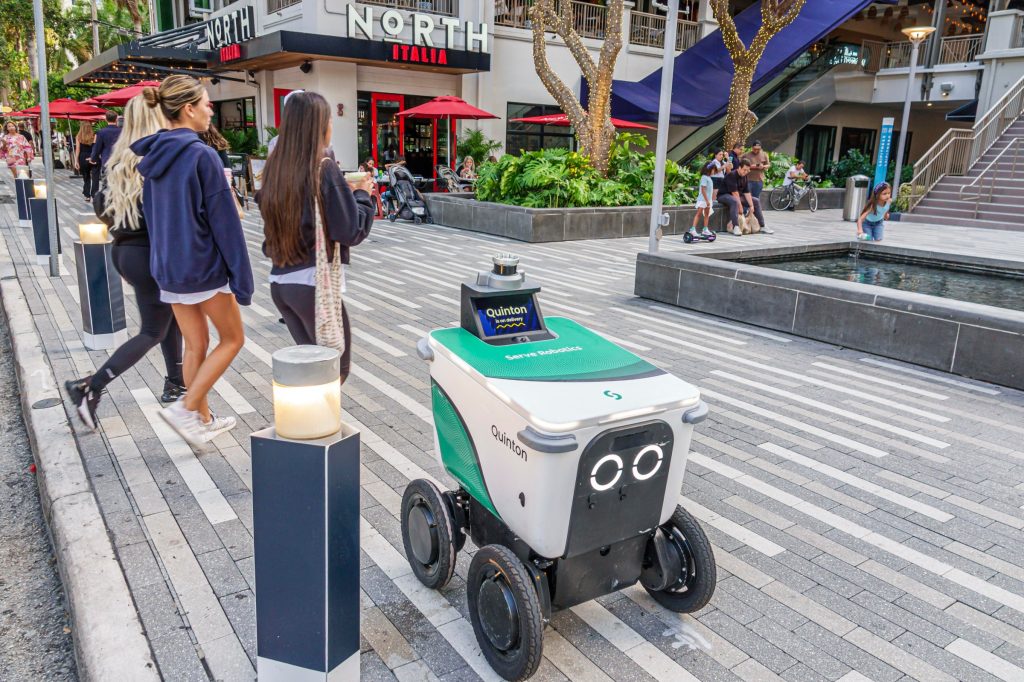
Kashani said the two companies had different visions for how autonomy should reach customers. “They’re doing what’s right for their business, and we’re going to do what’s right for ours.” Uber spokesperson Noah Edwardsen said the problem lay with Serve. Edwardsen said Uber “repeatedly raised concerns” with Serve about operational performance and reliability starting in early 2026, and that performance did not reach the required level.
Why Uber built a multi-partner model
Uber’s approach has been to connect many autonomous companies to its large customer base. More than 30 companies around the world have deals to feature their autonomous vehicles on the Uber app. Amazon’s Zoox recently launched with Uber in Las Vegas. China’s WeRide operates vehicles on the Uber app in Abu Dhabi, Dubai, Riyadh and Madrid. Avride, a startup that spun out of Russia’s Yandex, runs both autonomous vehicles and sidewalk robots on Uber and Uber Eats in Dallas.
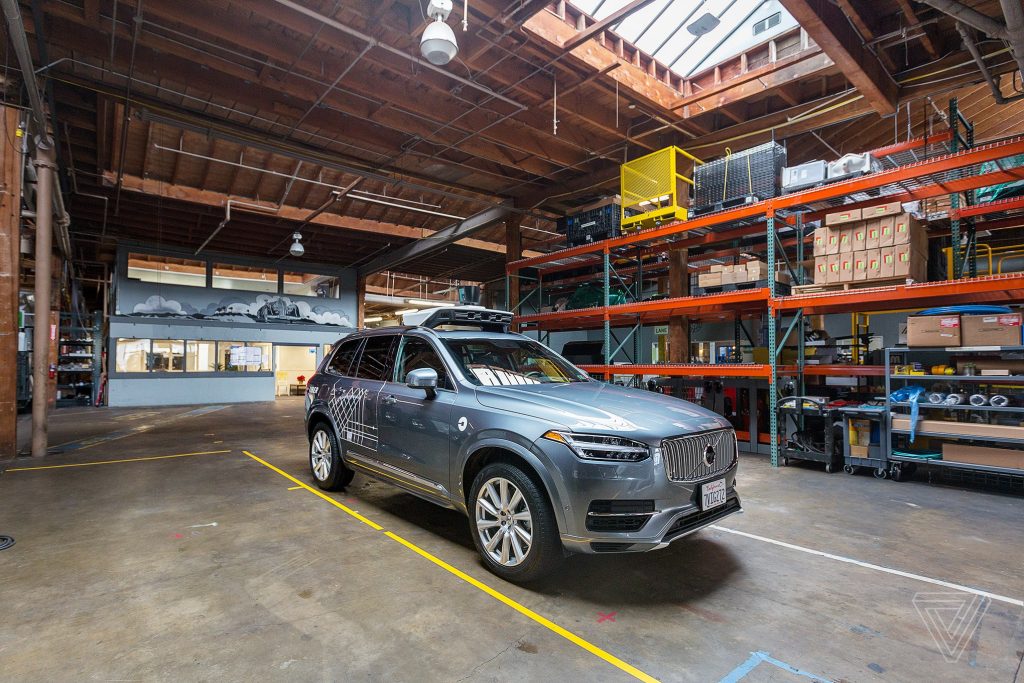
Khosrowshahi said Uber wants to be the default robotaxi and robot delivery app worldwide, and that it does not want to depend on one partner. Uber says it expects to have “tens of thousands” of unsupervised autonomous vehicles across more than 50 cities by 2028. Citing an analysis by Jefferies, Uber said its business is growing faster in cities where robotaxis have operated for a while, including San Francisco, Phoenix and Los Angeles, and that it is capturing a bigger share of the ride-hailing market in those places.
Harry Campbell, who writes about the autonomous vehicle industry in his newsletter The Driverless Digest, described the model as a “Trojan horse” that introduces autonomous products to regular Uber riders who would not have considered them. Campbell said partners tend to want to operate independently once they gain confidence, and he said Waymo likely concluded within six to 12 months that the experiment was not working well.
Consistency and rider expectations
One of the main problems was consistency. Uber’s model let a customer request a ride and get matched with either a robotaxi or a human driver, whichever was closer. Waymo found that many riders wanted to know exactly what they would get. TC Eley, an assistant professor of management information systems at the Villanova School of Business, said predictability matters early on because many consumers are still forming first impressions of autonomous vehicles. Eley warned that a rider who chooses a robotaxi and receives a human driver loses a chance to learn about the technology on their own terms. The reverse is also true, Eley said, since a rider who does not want a robotaxi but gets one may have a negative experience and avoid autonomous vehicles later.
Uber has disputed the idea that it refused to adapt. According to Bloomberg, Uber proposed a dedicated robotaxi button in its app for Austin and Atlanta, and Waymo declined. A Waymo spokesperson did not respond to a request for comment.
A rivalry with a long history
The two companies were once in a bitter legal fight. In 2017, Alphabet-owned Waymo sued Uber over allegations of trade secret theft and patent infringement. The case went to trial a year later but ended abruptly when the two sides reached a settlement after about a week of testimony. Uber later admitted it had misappropriated some of Waymo’s technology and agreed to license it. Anthony Levandowski, a former Google engineer, was sentenced to 18 months in prison for stealing Waymo’s trade secrets, and he was later pardoned by President Donald Trump.
Uber had also developed its own robotaxi fleet with the goal of eventually replacing human drivers. That program was effectively shut down after one of the company’s test vehicles struck and killed a woman in March 2018. Waymo launched its own ridehail app, Waymo One, in late 2018, with the aim of controlling the technology, customers and rider experience. The COVID-19 pandemic then hit the young robotaxi sector, and many autonomous startups laid off workers or shut down. Uber used that moment to position itself as the main app for all the robots.
Lobbying and executive departures
Uber faces a basic tension. It cannot fully embrace autonomy without threatening the millions of human drivers and couriers who power its platform. In Washington, D.C., Uber lobbied against a bill that would legalize robotaxis in the capital, arguing it would displace human drivers. The company pushed to require autonomous vehicle networks to include a “hybrid human network,” a change that would have worked against Waymo’s standalone model. Waymo pushed back, and the bill ultimately stalled.
Uber has also lost several senior autonomous vehicle executives. They include Sarfraz Maredia, global head of autonomous mobility and delivery, Guy Peterson, head of AV business partnerships, Danny Guo, VP of engineering and science, and Lando Juarez, head of legal for autonomous mobility and delivery.
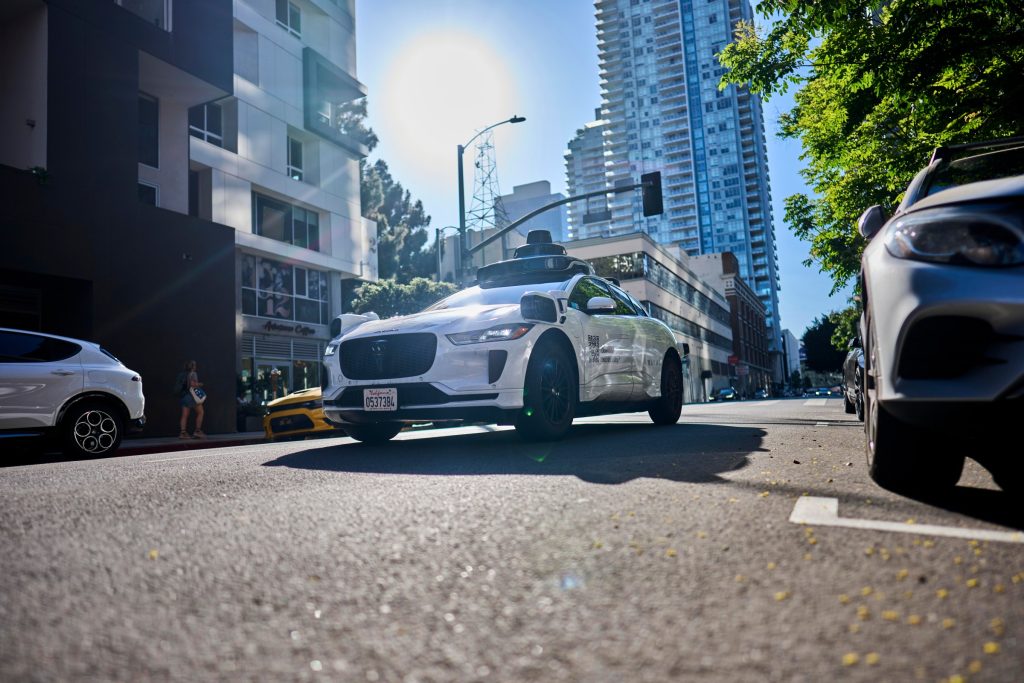
Drivers are also affected. Competition from robotaxis has pushed Uber to take a smaller cut of each fare in some cities, so human drivers earn slightly more per ride for now. Over time, however, drivers face a larger risk of losing riders to Waymo’s app, which is already happening in San Francisco, where riders can book Waymo only through the Waymo app. Campbell said Waymo has taken early market share from Uber and some from Lyft, and that some riders now say they only want autonomous rides.
What comes next
Waymo has a newer partnership with Lyft in Nashville. In that market, Waymo runs its own app for core demand and uses Lyft to handle excess supply during off-peak hours. Villanova’s Eley said many digital ecosystems develop through “co-opetition,” in which firms cooperate and compete at once, and that tension grows when customer data, pricing power and user relationships become strategic assets.
Further tests are still ahead. If Uber keeps fighting standalone robotaxi apps in major markets such as Washington, D.C., and New York, the conflict could intensify. Another key question is whether outside fleet operators such as Moove or Avis will buy large numbers of Waymo vehicles. Waymo has not said how many vehicles those operators might take on, and it remains unclear whether third-party owners will spend hundreds of millions of dollars to own and manage the cars.