

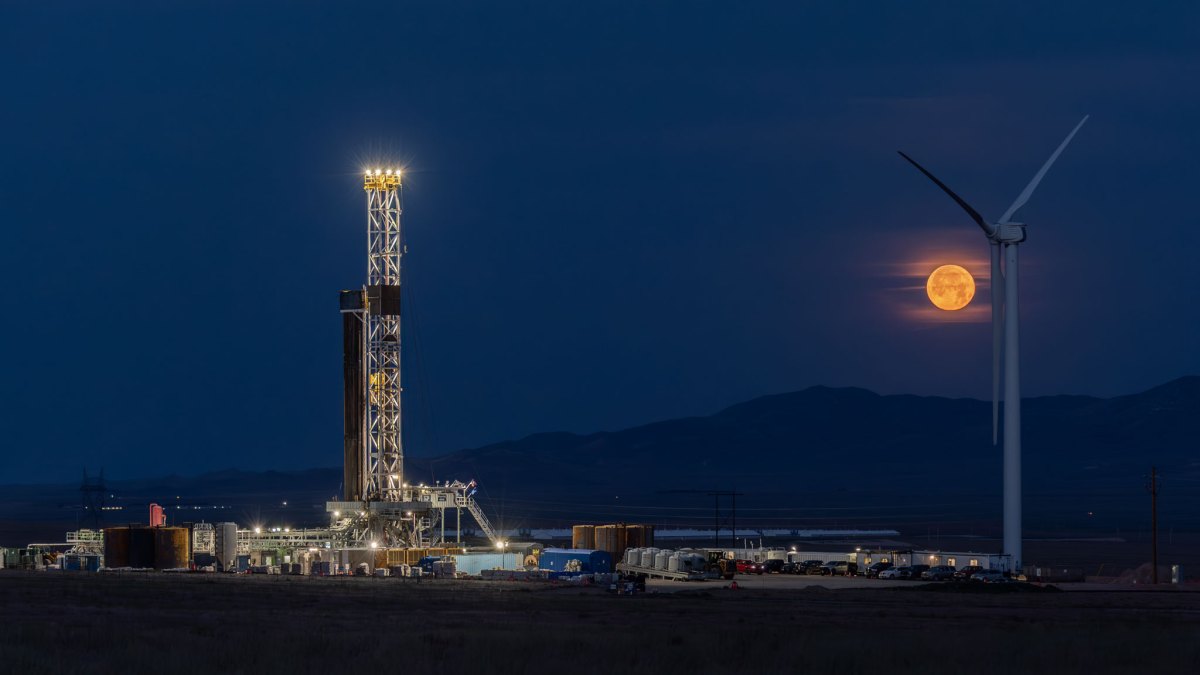
Fervo geothermal has reported a massive increase in its contracted revenue, reaching $11.9 billion in its third-quarter earnings report released on Monday. This surge in bookings, up from $7.2 billion in the previous quarter, underscores the intense demand from hyperscalers seeking reliable, carbon-free electricity to support the rapid expansion of AI data centers. The company has successfully hit its recent project deadlines, a factor that has contributed to the increase in orders.
Hyperscalers are currently scouring the market for consistent power sources to keep their massive AI computing clusters running around the clock. Unlike wind or solar, which are intermittent and require battery storage to provide baseload power, geothermal energy provides a constant flow of electricity. Fervo geothermal is positioned to capitalize on this need by delivering power plants that can be integrated directly into the energy grid.
Scaling operations at Cape Station
The company is on track to complete a 396 megawatt power plant for Google by the end of 2028. This project, designated as Cape Google 400, represents a significant commitment to the site in Utah. Fervo geothermal connected its first 100 megawatt power plant to the grid earlier this year, establishing a successful proof of concept for its methods.
Both the Google project and the initial plant are situated at Cape Station in Utah. Updated assessments for the site indicate a potential capacity of 8.4 gigawatts of electricity, a substantial increase from earlier estimates that suggested a limit of 4 gigawatts. The arrangement with Google allows the tech giant to draw power from the deal and sell it to other customers if the data center is not ready to utilize the full capacity immediately. Fervo geothermal CEO Tim Latimer noted that the project is being developed on a schedule that allows Google to build its data center infrastructure independently, ensuring neither party is waiting on the other.
GeoBlock technology and phased deployment
The company utilizes a specific approach to energy generation involving deeper and hotter wells, each capable of producing 15 megawatts of gross power. Several of these wells are linked together into what the firm calls a GeoBlock. The first completed GeoBlock generated 33 megawatts, while more recent iterations have reached 50 megawatts. These units are sized specifically to match the power requirements of a typical data center hall, allowing hyperscalers to bring capacity online incrementally as construction progresses.
Phased construction provides a distinct advantage over traditional energy sources like large-scale nuclear or natural gas plants, which often require massive, multi-year construction timelines before any power can be generated. By using the GeoBlock method, Fervo geothermal can deliver usable energy in smaller, manageable increments. This flexibility is highly attractive to companies managing the rapid, unpredictable growth of AI infrastructure.
Financial performance and market position
Operating losses for the quarter stood at $43.7 million, a figure that reflects the capital-intensive nature of building geothermal energy infrastructure. Despite these losses, the firm maintains a strong balance sheet with $1.9 billion in cash and cash equivalents. Long-term debt is reported at $301.6 million, providing the company with a significant financial runway to continue its expansion efforts.
Success for the company will depend heavily on its ability to reduce the cost of its power plants. While current demand from hyperscalers is high, the market may eventually become more price-sensitive. Fervo geothermal has demonstrated a clear downward trend in costs, with the first phase of the Cape Station project costing $7,000 per kilowatt of capacity. The cost for the Google project has dropped to $5,500 per kilowatt, which the company views as a significant improvement.
Driving down the cost of energy
Subsidies bring the current cost of Fervo geothermal energy to a level equivalent to a new natural gas power plant running on fuel that costs $6 per million BTUs. While this is still roughly twice the cost of natural gas today, the trajectory is moving toward long-term competitiveness. The company has set an ambitious target of reaching $3,000 per kilowatt for its power plants.
If Fervo geothermal can achieve this cost reduction, it could potentially undercut natural gas power even at current market prices. Hitting this target would represent a major milestone for the geothermal industry, which has historically struggled to compete with cheaper fossil fuel alternatives. The company has made measurable progress in just a few years, and the current order book suggests that major tech firms are betting on the company to continue that momentum.