

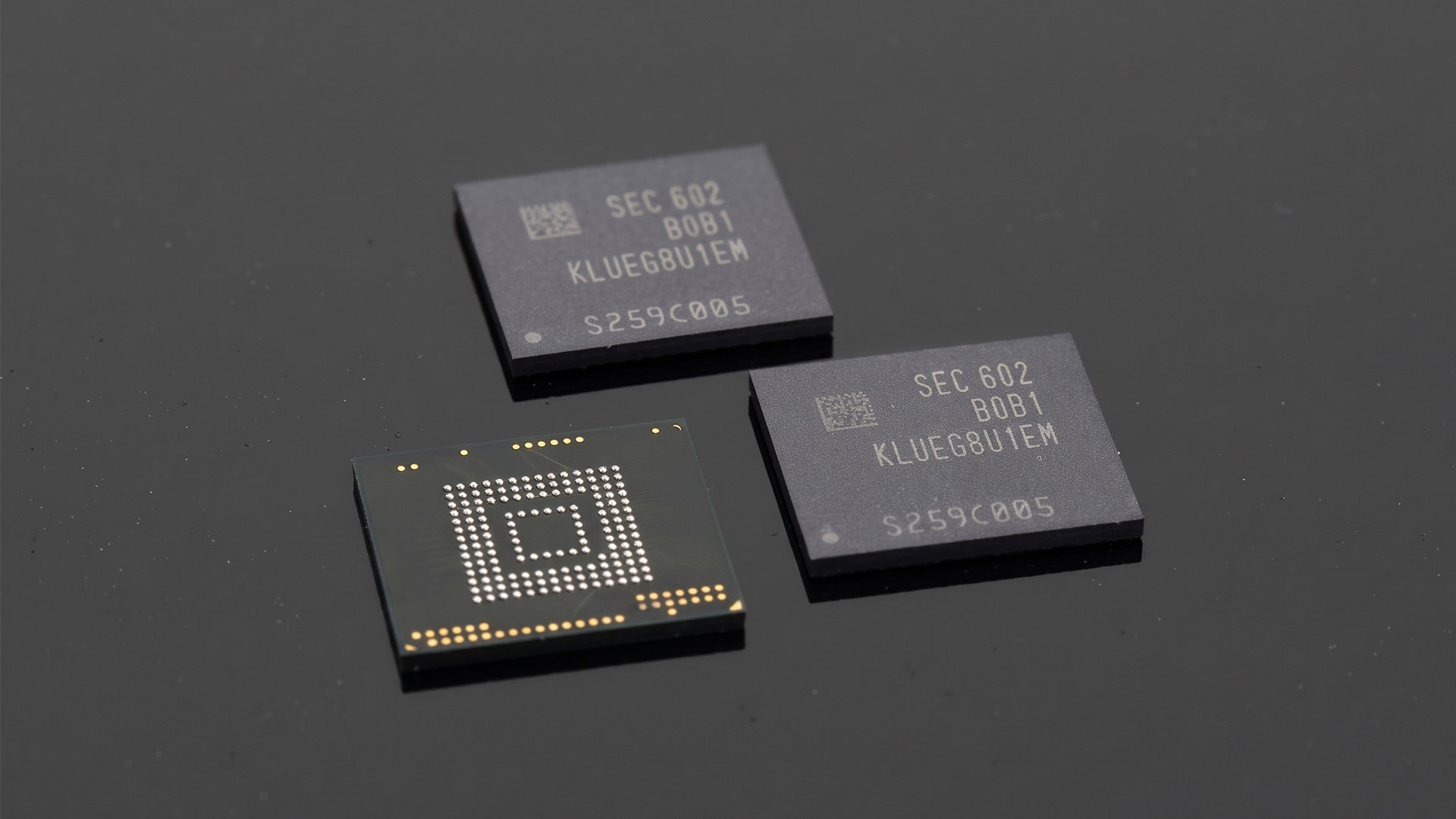
Apple DRAM purchasing is changing course. A South Korean business daily reported that Apple is moving away from short-term memory supply deals with Samsung and is negotiating contracts that could run four to five years, beginning in the first half of 2027. The shift reflects how much leverage memory makers have gained as demand for DRAM rises.
Why Apple is changing its memory buying strategy
For years, Apple has used its large purchasing power to sign short-term supply agreements and press chipmakers for lower prices at every renewal. Because Apple ordered far more memory than most of its rivals, DRAM suppliers typically accepted those terms. According to the report, that position has weakened, and Apple now appears to have little choice but to accept a different arrangement.
The report says the new approach is a direct response to an unstable memory market. Prices for DRAM have moved sharply, and suppliers have been able to set the terms. Apple has reportedly decided that securing supply for its core hardware lines, including the iPhone and MacBook, matters more than holding down unit costs in each contract cycle.
What the reported Samsung contract includes
The agreement is said to be in its final negotiations. It would last four to five years and begin in the first half of 2027. Rather than locking in fixed low prices, the contract reportedly sets minimum guaranteed DRAM supply volumes. Final pricing would then be adjusted according to prevailing market conditions.
That structure means Apple would gain assurance that it can get memory, but it would not secure a fixed price. The financial terms are described as favoring the supplier rather than the buyer. Apple has also reportedly allowed the final figures to move with the market, which gives Samsung room to adjust pricing as conditions change over the contract period.
Why the memory market has turned against buyers
A semiconductor industry official quoted in the report said Apple’s long-term agreement with Samsung is unusual given the company’s traditional negotiating style. The official described such a contract as rarely seen in the past. The change is being driven by heavy demand for server DRAM as AI data centers are built out at a rapid pace.
The report also cited an earlier estimate that one kilogram of memory costs about as much as 620 grams of 24K gold. Although that figure is an estimate from an earlier period, it illustrates how expensive DRAM has become. Analysts often describe this kind of price environment as a memory supercycle, in which suppliers gain pricing power because demand outpaces available capacity.

Legal pressure and what it means for Apple and its rivals
A federal judge has advanced a class-action lawsuit against Samsung, SK hynix and Micron. The suit claims the three manufacturers colluded to artificially limit memory supply. The report says the case is unlikely to force these companies to stop their current production runs. Legal proceedings are therefore not expected to change near-term supply in a meaningful way.
The report also suggests that other large customers are already locking in multi-year commitments. If Apple did not agree to similar terms, it would probably receive less priority from suppliers that now hold most of the leverage. That makes a long-term deal a practical choice for a company that depends on steady memory shipments for its flagship products.
What buyers and investors should watch next
For iPhone and Mac buyers, the reported change means memory supply for Apple’s core products may be more secure from 2027 onward. However, the reports do not say whether Apple will pass any higher memory costs on to customers. For investors, the key question is how much the flexible pricing will affect Apple’s component costs once the contract takes effect.
The deal is still described as being in final negotiations, so its terms could change before signing. Apple and Samsung have not confirmed the agreement in the reports cited. Until a deal is announced, the exact volumes, pricing mechanisms and final start date remain unknown.