

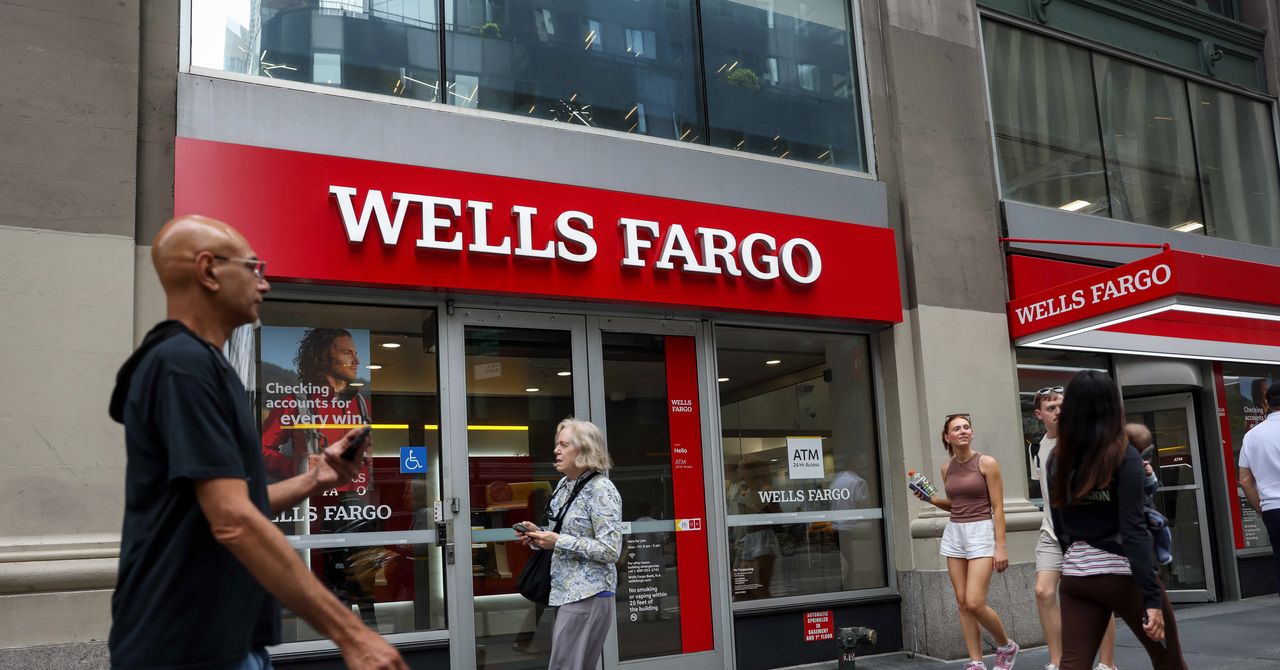
Wells Fargo is set to roll out an updated agreement covering AI agents to millions of its customers on Tuesday. The bank’s message to people who use these tools is direct. Under the new terms, “Your use of any AI Agent is AT YOUR OWN RISK,” the wording reads.
What the new Wells Fargo terms say
The change is a written warning to customers rather than a restriction on account access. Wells Fargo’s updated language makes clear that the bank does not take responsibility for losses that follow from an agent acting on a customer’s behalf. The terms apply to any use of an AI agent, whether the customer set it up through a bank app, a browser add-on or a third-party service.
The timing reflects how quickly these tools have spread. Wells Fargo’s move comes as more customers connect their accounts to automated assistants that can read pages, fill in forms and complete purchases on their own.
How AI agents are being used
AI agents automate online tasks by clicking, typing and navigating websites on a user’s behalf. Developers of these tools often market them as a way to handle everyday chores. Common pitches include building a grocery order, finding a place to stay on a vacation, or tracking down specific holiday gifts for a parent. Shoppers can also ask an agent to compare products within a set budget and watch for price drops.
The technology is still early. AI agents have had a rocky 2026, and a growing group of power users adopted personal bots this year. Some of those users saved time with automated help. Others made public mistakes when their agents went wrong. One example cited in coverage involved an agent that posted bank details where coworkers could see them.
Security concerns behind the bank warnings
Many users give agents broad access without thinking through the risks. Some pair their account credentials with the agent and grant permissions that allow sweeping actions, such as making transfers or completing purchases. That setup can leave an account exposed when the agent makes a mistake or is misdirected.
Agent-driven transactions still make up a very small share of online activity. Even so, US banks have already grown wary of third-party tools. The concern is less about current volume and more about how fast the use of agents could grow, and who would be liable when something goes wrong.
Other banks tighten rules on agents
Wells Fargo is not alone. In late October, JPMorgan Chase changed its terms to ban third-party agents that log in using a customer’s credentials. On the same day, Bank of America warned its customers not to share login information with agents. Citibank and PNC have also updated their terms to include warnings about agents.
The pattern across these banks is consistent. Each institution is putting the responsibility for agent activity on the customer. A bank that sees login details shared with an outside tool has less ability to verify who is actually making a transaction.
Retailers and airlines push back too
The friction is not limited to banking. Amazon, one of the largest online retailers, blocked Meta’s Muse, which is among the most widely used AI agents, from making purchases on its platform. Travel companies are taking similar steps. United recently announced that personal bots would be blocked from buying flights on a customer’s behalf.
These moves show that online businesses see agents as a new kind of visitor they may not want. Agents automate the same clicks a shopper would make, but they do not always follow the rules a store or airline sets for its checkout pages.
Why early adopters may keep using agents
Automation is the main selling point for always-on agents, and it is also the reason users can get into trouble. Kacy Kim, an associate professor of marketing at Bryant University who studies consumer behavior and emerging technology, put the issue this way: “Consumers authorize goals, not every click.” In other words, a user may approve a goal, such as buying a certain item, while the agent decides on the individual steps that lead there.
Kim expects some consumers to think it is unfair to be held responsible for an agent’s mistakes. She does not expect the new policies from banks to scare off the early adopters who already rely on these tools in daily life. Wells Fargo’s terms take effect on Tuesday, and it remains to be seen how many customers will read the warning and change how they share their login details.