

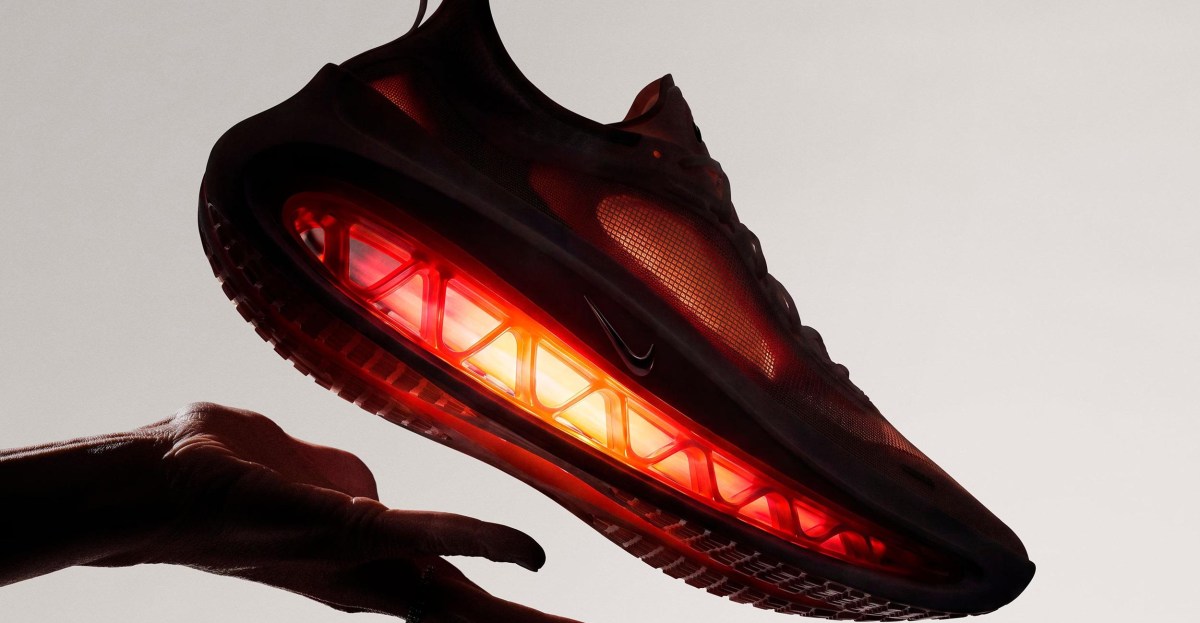
Nike is adding a new layer of customization to its air-filled soles. The company says its new nike tuned air technology can produce a single sole with areas of softer and firmer cushioning, and the first shoes using it are expected to arrive in late 2027.
From uniform air to tuned cushioning
Nike has been putting air pockets into its shoes for nearly 50 years. The pockets were designed to add comfort and cushioning while keeping shoes lighter. Until now, the level of cushioning in Nike Air shoes was largely uniform across the entire sole.
Nike has used similar thinking before. In 2024, the company announced the Air Max 1000, which was made with a 3D-printing process. That shoe kept a uniform outer silhouette but had varying areas of support and flexibility throughout. The nike tuned air system takes that idea into the air sole itself, using a new manufacturing process that can produce multiple air pockets with different levels of cushioning and stability.
How the manufacturing process works
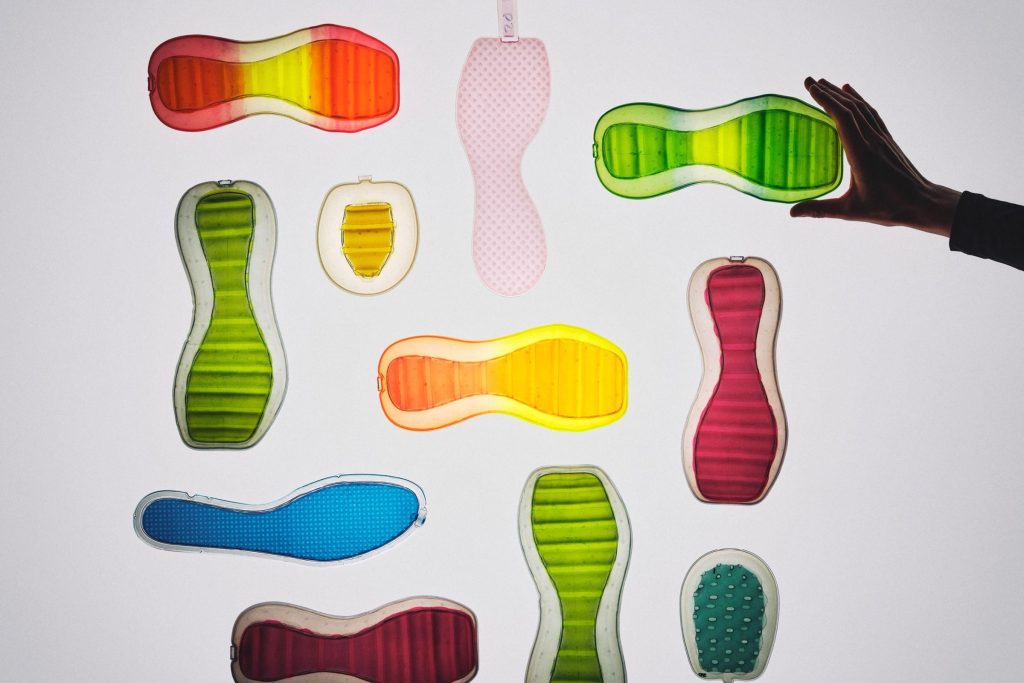
Nike describes the method as a “proprietary digital print and selective lamination process.” An ink is applied in specific patterns that define where the layers of the sole bond to each other. Those bonded areas form internal pockets, and the process can create them in an unlimited combination of shapes and sizes.
By adjusting how much air is held in each pocket, designers can make some parts of the sole feel firmer while others feel softer. The result is a single sole with different zones of cushioning, rather than one level of feel across the whole foot.
Nike has also used air pockets outside footwear. The company has put them into apparel, where they help with insulation by trapping body heat. With nike tuned air, the focus is on shoes, where the company plans to tailor cushioning to specific athletes and sports.
Consistent feel across shoe sizes
Nike says the Tuned Air technology will help keep the benefits of custom tuning consistent across different sizes. That matters because a sole designed to feel a certain way in one size can behave differently when it is scaled up or down. Nike’s claim is that the process can hold that tuned performance across the size range.
The company is targeting runners with its first shoes using the technology. Nike has not said which models will carry the system or what they will cost, and the company has not released a full list of sports it plans to address beyond running.
Faster prototyping for designers
The new process is also meant to speed up product development. Nike says it can shorten the time between a concept for a new shoe and a final design ready for production. In a release, the company said, “Prototypes that once took three weeks can now be made in three days.”
That faster cycle gives designers more time to refine new shoes and more room to test ideas. For a sportswear company that often launches many versions of the same shoe line, shorter prototype cycles could make it easier to try out different tuning approaches before committing to production.
Inspiration and what comes next
One of Nike’s earliest successes was a track shoe with a grip design inspired by a waffle iron. For the new technology, the company credits a different source: the “vibrant colors on magazine covers.” Nike’s design team has used color as a way to show how the layers and pockets of a sole can be arranged and tuned.
Nike has not yet shared pricing or detailed performance results for the new soles. Buyers will be able to judge how the cushioning zones work in practice once the first runners using nike tuned air reach stores in late 2027.