

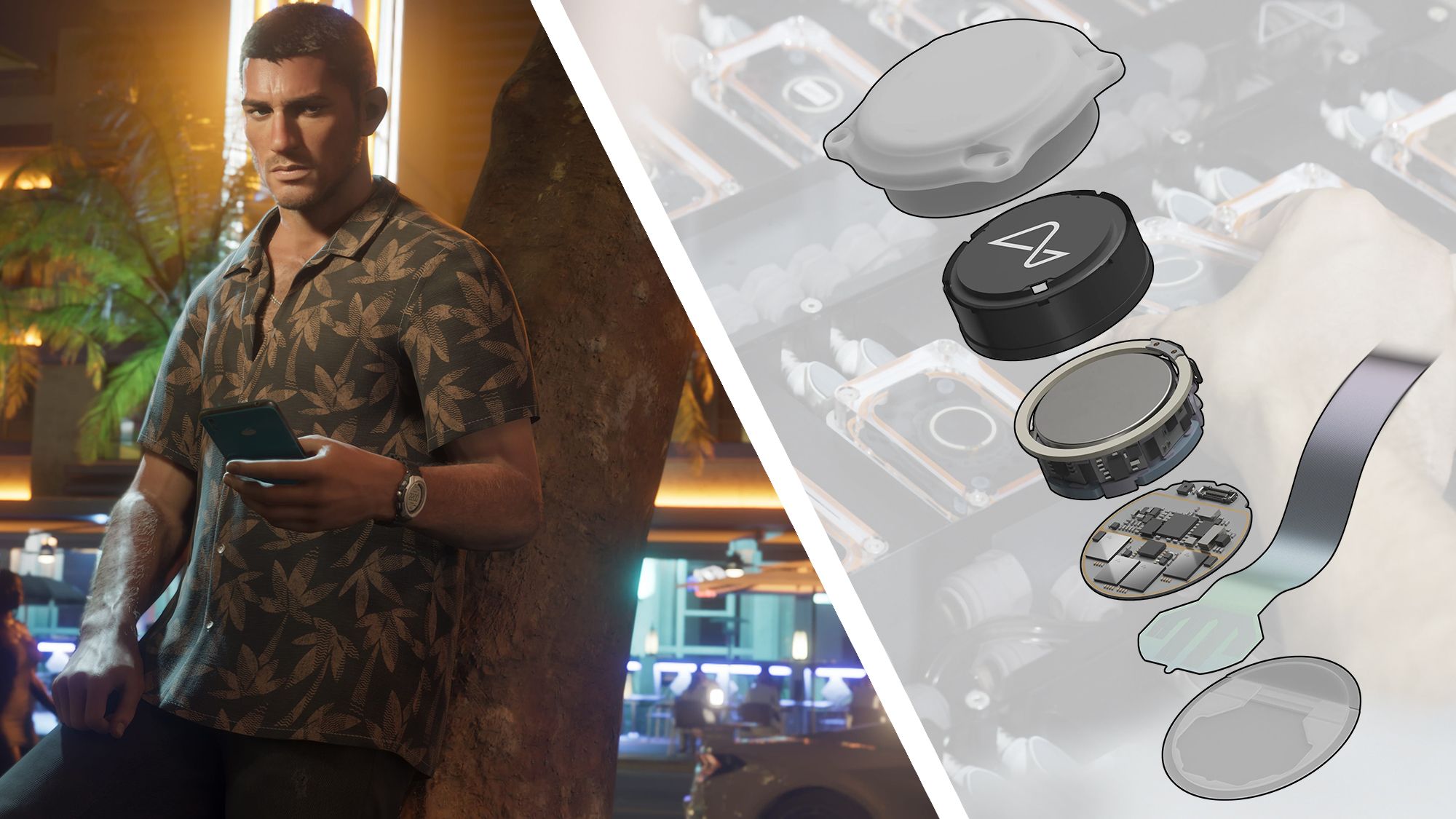
A patient taking part in a Neuralink clinical trial has been playing GTA 6 using the company’s brain implant, according to a short clip Neuralink posted on social media. The Neuralink implant footage shows the patient working through a mission in the game, with feedback from the chip overlaid on the gameplay.
How the GTA 6 demonstration works
Neuralink posted the clip on social media, showing a clinical trial participant moving through a GTA 6 mission. Overlaid data reflects signals coming from the implanted chip, which makes it possible to see how the patient’s inputs translate into in-game actions. The company has released little detail about the setup beyond the clip itself.
The gamer appears to use small physical movements alongside brain activity, including taps with a finger. Those physical inputs seem to work together with the neural signals rather than replacing them. Even with that partial view, the demonstration suggests the Neuralink implant can support a wide range of actions in a complex open-world game.

What the patient experienced
According to the footage, the setup enables full control over fighting, driving, shooting and flying inside GTA 6. Those are very different tasks in the game, each requiring fast and precise input, which is why the demonstration drew attention from players and researchers alike.
The patient described the experience as “pretty wild” and said he is now able to control the Jason protagonist in GTA 6 in this way. He also said the chip has given him a “portal to the world”. Neither statement was accompanied by a detailed technical explanation from Neuralink.
Before the implant, the patient said he was limited to games built around simple taps on an iPad screen. The new setup allows far more comprehensive control of a game that demands many simultaneous actions. That change is the central point of the demonstration, since it shows how much more a user could do with a Neuralink implant than with basic touch input.
How the implant translates brain activity
Brain-computer implants of this kind work by linking certain patterns of neural activity to specific intentions. Through extensive training routines, the system learns which firing patterns correspond to a command such as pressing a button or tapping a control. Once those links are established, the user can trigger the same actions by thinking about them.
The training process is the main reason these systems take time to set up. Each user produces neural patterns that differ from others, so the software must be calibrated to the individual. That calibration is also why demonstrations like this one are difficult to replicate without the same hardware and training.
Regulatory status and what comes next
Neuralink itself has said that research on the technology is still ongoing. The implants have not received regulatory approval, and they are currently available only to volunteers taking part in clinical trials. The GTA 6 clip is therefore a demonstration from a research program, not a consumer product.
Neuralink and other companies are developing brain implants for a range of uses, and the company’s work has long focused on helping people with medical needs. The GTA 6 demonstration shows what the technology can do in a demanding environment. Whether the same capabilities reach wider availability will depend on the results of ongoing trials and on approval from regulators, and no timeline for that has been announced.