DC Studios is entering a new phase after Skydance’s acquisition of Warner Bros. Discovery led to the departure of co-heads James Gunn and Peter Safran. The change leaves open questions about the cinematic universe that Gunn had been building around films such as last year’s Superman, and about whether his longer-term plans for the DC Universe will survive.
A new chief with a different mandate
Gunn’s Man of Tomorrow may still reach theaters, but the wider vision behind it could be reworked under Jeremy Latcham, the newly appointed CEO of DC Studios. Gunn had been taking his time developing the DC Universe around lesser-known characters such as Peacemaker, Supergirl and Clayface. Latcham has reportedly received a mandate from Skydance CEO David Ellison to fast-track a new version of the Justice League built around more popular heroes, including Wonder Woman and Green Lantern.
The shift in priorities is likely to change how the DC Universe looks in the coming years. Skydance is trying to use its comics intellectual property to generate projects that can help pay down the roughly $80 billion of debt it took on by acquiring WBD. From a business standpoint, leaning on A-list characters makes sense, since casual DC moviegoers tend to care more about the Trinity than about characters such as Gorilla Grodd.
Audience patience is a separate question. Two earlier attempts at interconnected DC films have not fully succeeded, and viewers may have limited appetite for yet another full-scale reboot. Any new Justice League effort would need to convince them that the restart is different from what came before.
What DC Studios could keep from the Gunn era
Rather than starting from scratch, DC Studios could hold on to elements that worked during Gunn and Safran’s tenure. One example is the portrayal of Superman as a compassionate character with a strong moral compass. Keeping that tone would give the studio continuity while it changes its lineup and priorities.
DC Studios could also draw on the momentum of DC’s recent comics. Skydance gained control of DC Comics as part of the WBD deal, and the publishing arm was reportedly left unscathed by the layoffs of almost 2,000 employees that Skydance began last month. The publisher’s performance has been strong, and much of that success is tied to sales of comics from the Absolute Universe imprint.
Why Absolute Batman stands out
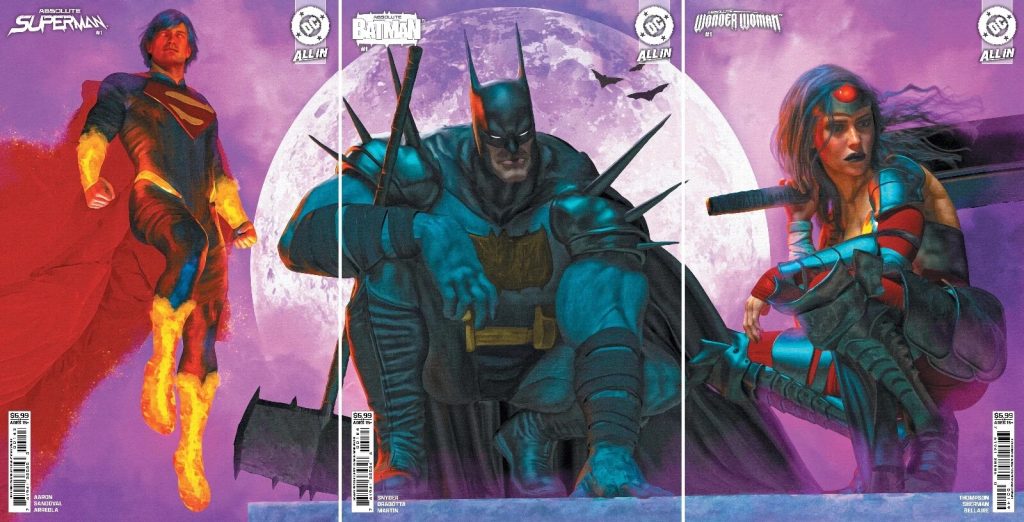
Launched in 2024, the Absolute Universe reimagines DC’s heroes and villains as significantly different versions of their classic selves. Absolute Wonder Woman is a witch raised in Hell, Absolute Superman arrives on Earth as a teenager who remembers his childhood on Krypton, and Absolute Batman is a working-class civil engineer rather than a socialite born into immense wealth. Each version departs from mainstream canon, yet each still captures what makes the character iconic.
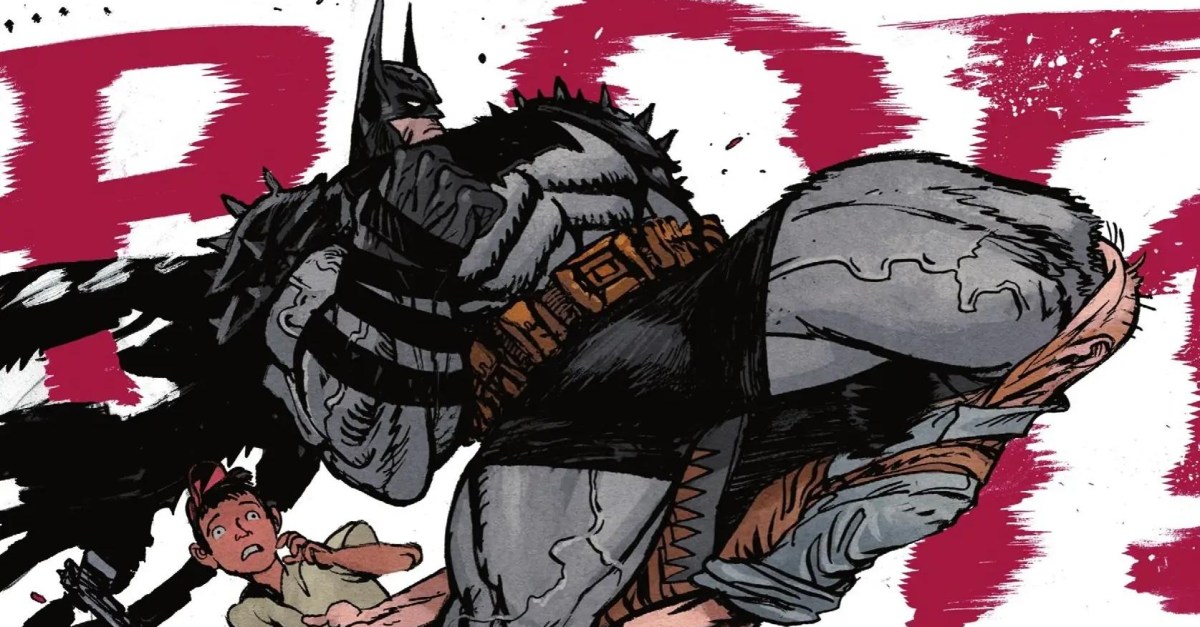
Absolute Batman is especially distinctive because it reverses the power structures found in most classic Batman stories. In those books, Bruce Wayne belongs to Gotham’s marginalized underclass, while the Joker is a moneyed elite whose villainy shows in the way he manipulates industries. The Absolute version has a much deeper connection to the ordinary people he has sworn to protect.
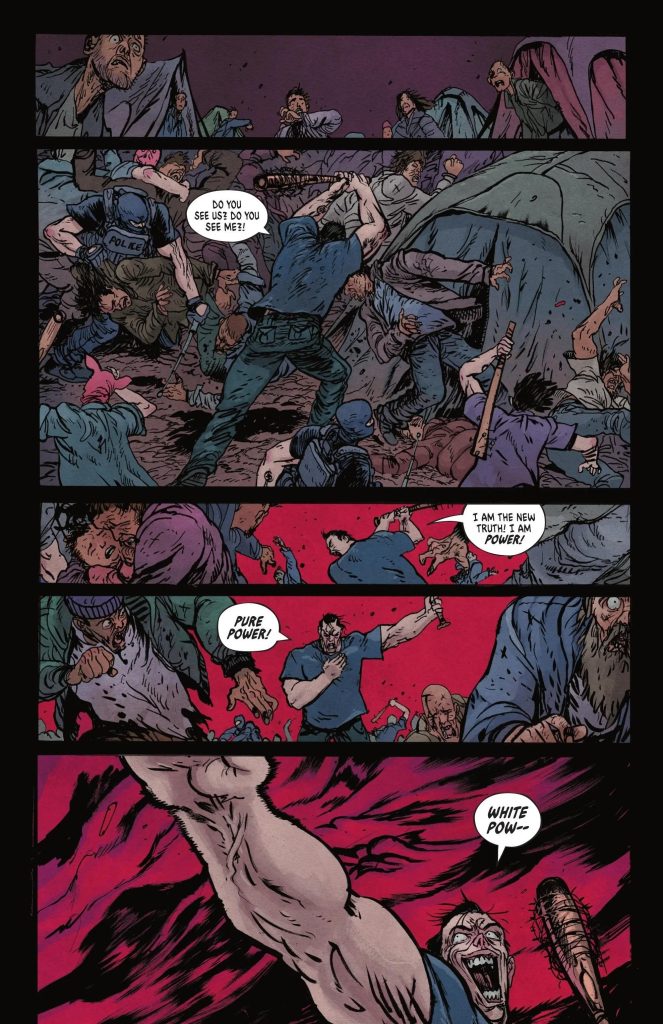
The series also addresses everyday threats alongside supervillains such as Poison Ivy and Bane. Its stories include corrupt police departments infested with white nationalists who target minorities, which gives the character a progressive political edge. That edge and the comic’s brutality may not fit neatly with Ellison’s personal sensibilities or with Latcham’s approach to filmmaking.

How the Absolute character could fit into the film slate
Absolute Batman’s sales are strong, and DC Studios announced earlier this year that it planned an animated series based on the comics. Those plans could change after the Skydance and WBD merger, but a series like that would give the studio a natural way to introduce the character to its tentpole films. Matt Reeves’ The Batman, which debuted in 2022, already offered a fresh take by skipping Bruce Wayne’s origin story.
Robert Pattinson is set to return as the Dark Knight in The Batman Part II, but it is unclear whether that version will connect to the DCU. Reeves’ films exist in their own universe, similar to Todd Phillips’ Joker movies, and Pattinson has been cast as Amazon’s new James Bond, which makes an overlap less likely.
Moving characters between television and the big screen was one of the stronger ideas Gunn introduced, and that approach could still help DC Studios under Latcham. Using Absolute Batman as the next flagship Bruce Wayne would be a bold move for Skydance. Whether the studio can deliver on the megamerger’s promise may depend on how willing it is to take that kind of creative risk.