

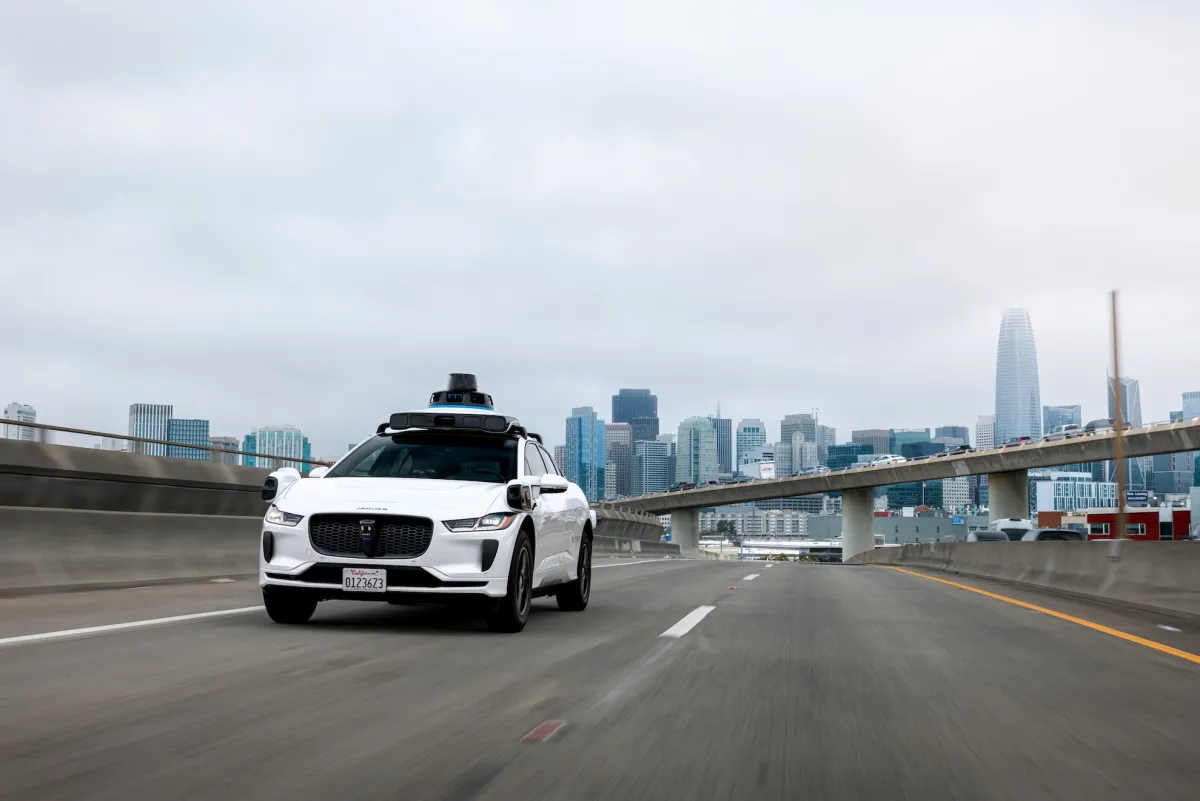
Waymo robotaxis are no longer allowed to operate on California freeways after the state’s Department of Motor Vehicles restricted the Alphabet-owned company’s operations following several incidents that raised safety concerns. The restriction has since led Waymo to halt waymo freeway rides in all of its other markets as well.
What the California DMV ordered
The California DMV, which regulates the testing and deployment of autonomous vehicles in the state, issued the operational restrictions on November 11. The restrictions were not made public until Tuesday, when the San Francisco Business Times first reported the order.
The DMV confirmed the new restrictions to TechCrunch. The department said it acted after three Waymo autonomous vehicles entered an active construction closure on U.S. Route 101 near Burlingame. A separate incident involved California Highway Patrol vehicles on Highway 280 in San Francisco.
In an emailed statement, the DMV said that its driverless freeway operations pose an imminent hazard to public safety. The agency pointed to recurring incursions into active construction zones, where workers, vehicles and equipment are present. It said these incidents came despite a prior restriction and corrective actions taken after similar incidents on May 18, 2026.
The DMV said the restrictions will stay in place until Waymo can show that it has taken “effective corrective actions” to address the deficiencies.
Waymo’s response across its markets
Waymo has complied with the order. The company is preventing its robotaxis from accessing freeways in any of the markets it operates in, including those outside California. Waymo currently runs commercial operations in 15 U.S. cities.
Waymo spokesperson Dana Gallagher told TechCrunch that the company has temporarily restricted freeway operations across its other markets to evaluate its performance. Gallagher said the recent encounters on U.S. 101 did not involve any injuries or collisions.
“Safety is at the foundation of everything we do,” Gallagher said in a statement. The company said its ride-hailing service continues to run on surface streets, serving over half a million trips each week. Waymo said it is working with the California DMV and other state officials to resume freeway operations.
Why freeway access mattered to Waymo’s service
Waymo began offering freeway rides in late 2025, a commercial milestone that became central to its expansion in major metro areas. Freeway access lets the robotaxis connect riders to airports and other destinations more efficiently by avoiding slower surface streets.
The change has been especially important in the San Francisco Bay Area, where Waymo’s service area stretches from the city south to Silicon Valley. Freeway access has dramatically shortened trips across the Peninsula that previously took 45 minutes or more than an hour.
Losing that route means riders on longer trips will again rely on surface streets, which are slower and carry more intersections and traffic signals.
A earlier pause and the July return
This is not the first time Waymo has stopped using highways. In May, the company abruptly stopped operating on freeways. It did not cite a specific reason at the time, but several social media posts showed Waymo robotaxis driving through traffic cones and struggling to navigate construction zones.
Waymo robotaxis returned to freeways in July after the company said it updated its self-driving software system to improve performance around freeway construction zones. The DMV’s latest order indicates that regulators did not consider those changes sufficient to prevent new incursions.
What happens next for riders and regulators
The DMV has not set a timeline for lifting the restriction. Its order remains in effect until Waymo demonstrates corrective actions that satisfy the agency. Until then, Waymo’s freeway rides are unavailable in California and in the other markets where the company has paused them voluntarily.
It is not yet clear when Waymo will resume freeway service in any of its markets.