

Vibe hacking, the practice of using AI coding tools such as Claude Code and Codex to rewrite the software inside hardware, is spreading from TVs and cameras to music gear and game consoles. The trend has produced a boom in developer-friendly gadgets and a growing market for custom software across many devices.
How vibe hacking started with a TV
Tinkering with gadgets is nothing new, and users have modded and jailbroke devices for years. What has changed is how easy it has become. Users now prompt AI tools to do the technical work that once required deep expertise, and vibe hacking has moved from a niche hobby into the mainstream.
For one developer in India who goes by Gathin T, the project began almost on a whim. He was frustrated with a Xiaomi TV running Android TV, which was full of ads and cluttered menus that made it hard to switch inputs. He wondered whether the same kind of replacement launcher that works on an Android phone could work on a TV. “The first thing that came to mind was to remove the bloatware from the TV,” he said. “Then I thought, why not make it look better?”
Gathin prompted Claude Code and found that a few permission changes and a toggle of USB debugging mode let the chatbot control his TV while both devices were on the same Wi-Fi network. About an hour and a half later, he had a redesigned interface with no onscreen ads, a simpler menu and quicker access to his PlayStation on another input. He posted about the project on X, where it drew wide attention. He then built a tool called CleanYourTV, bought a domain for it and released it to help other people customize their own television interfaces.
The project became one of the most popular repositories on GitHub. It drew thousands of pull requests and feature suggestions, and it encouraged many people to point their own chatbots at their TVs.
Why Android makes vibe hacking easier
Gathin noted that this approach works easily only on TVs built on Android. He has used Claude Code on other operating systems as well, but those projects involve more explicit jailbreaking and rooting, so he is more hesitant to share those methods widely.
Still, Android runs on a surprising range of products. Dishwashers, digital photo frames and luxury cars often run Android, and even gadgets that do not look like Android devices frequently use it underneath. When Android is not present, there is often another route in. A device may expose a hidden API that an AI model can find, or its firmware file may be published on a website, where a model can unpack it, study it and repackage it.
Few of these techniques are new. Experienced developers have worked this way for years, and some have used AI for several years to speed up the work. The change came when Claude Code had its breakthrough moment in late 2025. Developers leaned on these tools more heavily, and non-developers realized they could now build software too. Over the course of 2026, more people began applying that ability to the hardware they owned.
Cameras, synths and consoles follow the same path
Camera enthusiasts adopted vibe hacking quickly. Firmware projects such as Magic Lantern have long been a staple of the camera community, and users now use AI to add new recording features, support higher resolutions and create new looks and color profiles. Some are reviving older cameras, while others are experimenting with brand-new models.
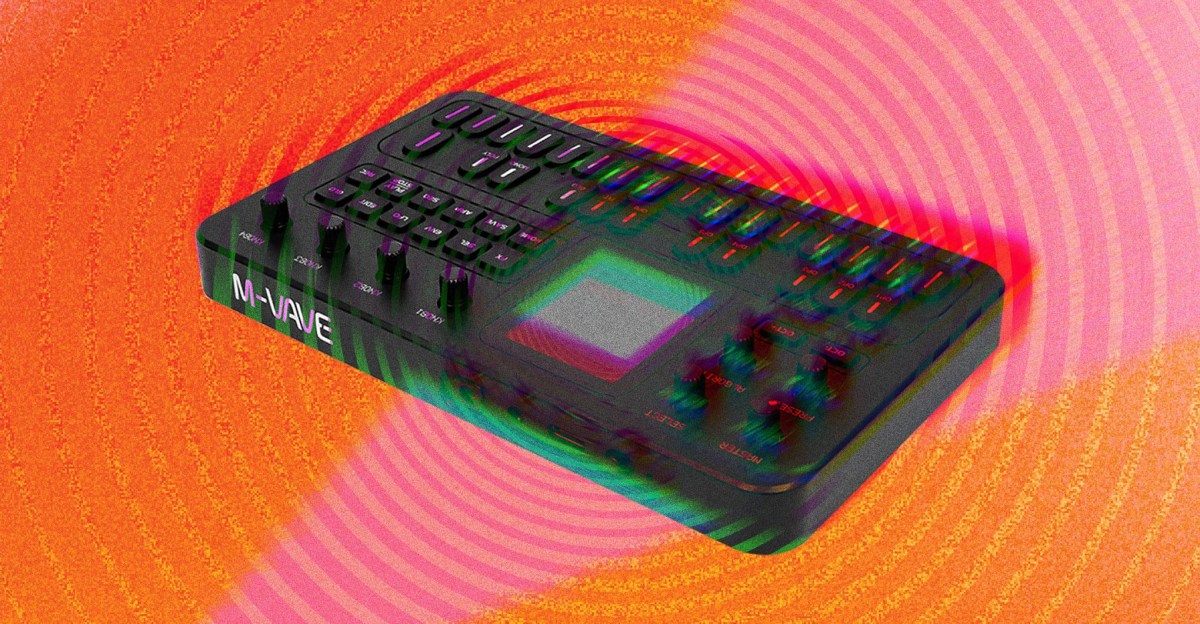
Music gear is seeing similar changes. Young musicians are turning inexpensive synths into more capable instruments. The M-Vave FM-1, a low-cost device, has become a popular target for custom firmware and new features. M-Vave has released open-source firmware for the FM-1, a move that embraces hackers at a time when other manufacturers have tried to keep them out. The FM-1 is cheap and easy to modify, which raises questions about how higher-end manufacturers can compete.
Gamers are also using AI to decompile and modify the games they play, and they are adding features to their consoles. One vibe coder found a way to play PlayStation 2 discs on a PlayStation 5. Many gamers have also written scripts that let them use their favorite controllers on other devices.
Risks for owners and the games industry’s response
The games industry has begun to push back. Companies want to stop their work from being decompiled and offered for free or on other platforms. Luke Dicken, a longtime gaming executive who was recently Take-Two’s head of artificial intelligence, told Kotaku that he expects the industry to adopt more invasive DRM, platform-level protections and a stronger push toward streaming, since no one can decompile a game they cannot access. He also expects hardware makers to lock down their systems more tightly and companies to pursue legal action to protect their intellectual property.
Vibe hacking also carries risks for users. Once someone installs a vibe-coded version of a camera’s firmware, they are far outside what the manufacturer can help fix. Users may end up asking the same AI tool to repair problems the tool created. Ritchie Roesch of Fuji X Weekly has argued that the real question for vibe-coded camera firmware is not whether a camera will be bricked, but when, how often and whether the owner will still have control of it.
ESP32 modules offer a safer route for hackers
A safer and less legally risky option for enterprising hackers is new hardware built for experimentation. ESP32 modules combine networking chips, microphones, speakers and other parts in a simple, hacker-friendly package. Many people compare them to Raspberry Pi boards, but they are cheaper and more versatile. The M5Stack PaperMono, an ESP32-based e-paper device, is one example. Instead of jailbreaking a Kindle, a user can buy a device like this and build whatever they want on it.
With a few dollars and a few prompts, a user can build a device that shows real-time sea conditions, monitors a whole DJ setup or runs Metal Gear Solid on the go. Meta has started its own push with the Muse Charm and the Muse Gadgets program, which lets buyers purchase a packaged ESP32 module or use their own to quickly build a dedicated AI device. Espressif, which created the ESP chip, has also launched a development system called ESP-Claw to make programming its devices simpler.
Gathin has also changed how he handles his own tool. He adjusted the prompts so CleanYourTV first backs up a TV’s software, which makes restoring it easier if something fails. The tool records every change it makes, checks its progress and runs agents to test whether something has gone wrong. He hopes the process becomes more reliable over time, but he says it will never be completely foolproof because devices change and every software update introduces new problems.
Users who experiment with vibe hacking are advised to never give AI tools access to anything they cannot afford to lose. Gathin uses a separate external computer running Linux as a sandbox for testing. Anyone who modifies an existing gadget will almost always void its warranty, and customer support is unlikely to help or offer a refund if something goes wrong.